At B-Tec Electric Co. LLC, we understand that lighting can completely transform how a room feels and functions. Recessed lighting has become a popular choice among homeowners who want a clean, modern look without bulky fixtures.
The key to perfect illumination does not only rely on the type of bulbs or trims you choose. It starts with a well-planned recessed light layout that distributes light evenly and highlights every corner of your space.
When implemented thoughtfully, recessed lighting can elevate a home’s character, accentuate architectural details, and make rooms feel more open. Below, we share professional guidance on achieving the ideal balance of function and aesthetics when planning a lighting layout.
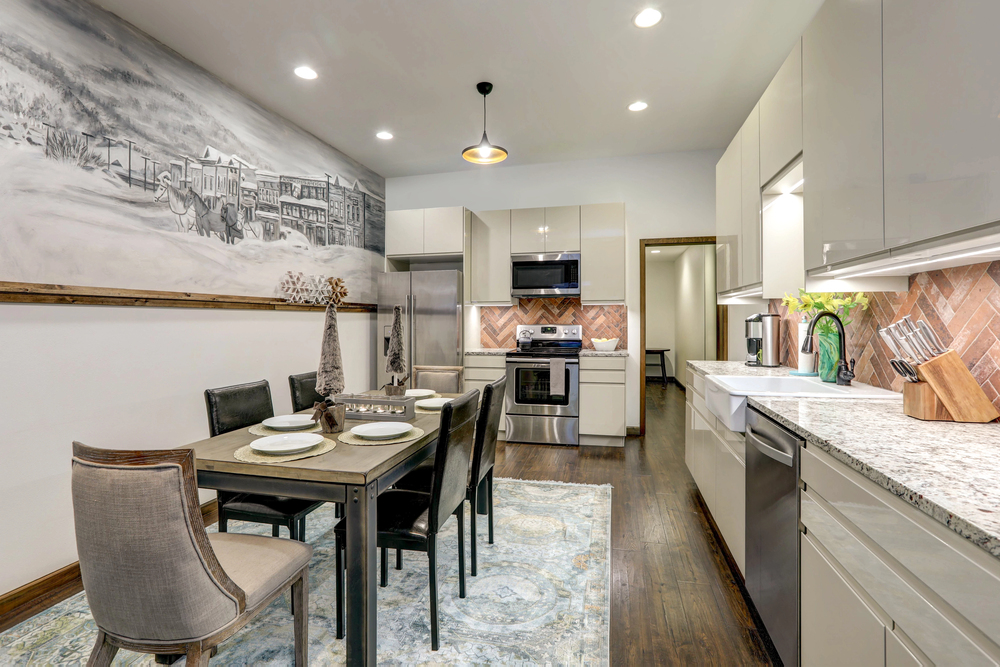
Understanding the Purpose Behind Your Lighting Plan
Determining the purpose of your lighting is the first step before placing a single fixture. Recessed lights can serve general illumination, accent lighting, task lighting, or wall-washing. Each function affects how lights are spaced, angled, and layered.
General lighting provides uniform illumination across a space, ideal for living rooms, bedrooms, and hallways. Accent lighting highlights specific areas such as artwork, textured walls, or decorative objects, while task lighting focuses on functional spaces like kitchen counters or reading nooks. Wall-wash lighting, on the other hand, creates the illusion of more depth and space by softly illuminating walls from top to bottom.
Once you’ve defined the purpose, it becomes easier to map out where each fixture should go and how much brightness you need to achieve your desired ambiance.
Measuring and Mapping Out the Room
A successful recessed light layout begins with accurate room measurements. Every space has its own geometry, and subtle variations in ceiling height or room shape influence light distribution.
To begin, sketch your room’s outline, including any architectural features like windows, doorways, and ceiling beams. Identify focal points such as furniture, artwork, or work areas. For instance, if you’re planning lighting in a kitchen, note where the countertops, stove, and island are positioned. If it’s a living room, consider where the sofa or TV will be placed.
Once the layout is drawn, mark potential light locations on the ceiling. The key is to visualize how light will spread from each fixture and how the beams will overlap.
Applying the Ceiling Height Rule
One of the most effective guidelines for spacing recessed lights is the ceiling height rule. Simply divide the ceiling height by two to determine the approximate distance between fixtures.
For example, in a room with an 8-foot ceiling, lights should be spaced about 4 feet apart. In a 10-foot ceiling, spacing can be around 5 feet. This method ensures that light beams overlap enough to maintain consistent brightness without creating harsh shadows or glare.
While this rule offers a reliable starting point, adjustments may still be needed depending on the purpose of the lighting. Areas requiring brighter illumination, like kitchens or home offices, might need lights positioned closer together. Spaces designed for relaxation, such as bedrooms or living rooms, can benefit from slightly wider spacing for a softer, more diffused effect.
Considering Trim Size and Beam Spread
Recessed lights come in different sizes, typically ranging from 3 inches to 6 inches in diameter. The trim size and beam spread both play a key role in how light interacts with your space.
Smaller trims, around 3 to 4 inches, are ideal for accent or task lighting where precision is needed. Larger trims, between 5 and 6 inches, work better for general lighting as they cover a wider area.
A wider beam angle produces softer, broader light distribution, while a narrower beam offers concentrated illumination for highlighting specific zones. The goal is to combine both effectively – using wider beams for main illumination and narrower beams to accentuate key design elements.
Layering Light for Depth and Dimension
A truly well-lit room doesn’t rely on just one type of lighting. Layering light helps achieve both visual appeal and practical functionality. When planning your recessed light layout, think in terms of layers – ambient, task, and accent.
Ambient lighting forms the base, filling the space with overall brightness. Task lighting enhances areas that require focus, such as reading corners, kitchen counters, or office desks. Accent lighting draws attention to architectural details or artwork.
For example, in a kitchen, ambient lighting can brighten the entire area, while recessed lights above the island act as task lighting. A few additional directional lights above cabinets can create accent lighting, adding depth and warmth to the overall atmosphere.
Avoiding Glare and Shadows
One of the biggest challenges in recessed lighting design is managing glare and unwanted shadows. Poor placement can lead to uneven light that highlights imperfections rather than beauty.
To minimize glare, avoid placing lights directly above reflective surfaces such as glossy countertops, mirrors, or polished floors. Instead, offset them slightly so light spreads more evenly. Similarly, prevent casting harsh shadows by positioning fixtures to the front of a subject rather than directly overhead.
For example, in a bathroom, placing lights directly over the mirror can create unflattering shadows on the face. Instead, position them slightly in front or to the sides for even facial illumination.
Choosing the Right Housing and Trim
When it comes to recessed lighting, selecting the proper housing is as important as positioning. If your ceiling has insulation, use IC-rated housing that allows safe contact with insulation materials.
For homes where the ceiling is already finished, remodel housing is ideal since it can be installed through small cutouts without major reconstruction.
Trim style also affects how the light feels. Reflector trims maximize brightness, while baffle trims reduce glare with ribbed interiors. Adjustable trims offer flexibility by letting you direct light precisely where it’s needed.
Integrating Recessed Lighting with Room Design
Lighting should never feel like an afterthought. Instead, it should work hand in hand with your home’s layout and interior design. Recessed lighting enhances architectural features such as crown molding, textured walls, or vaulted ceilings. It also contributes to ambiance by influencing how color, texture, and shadow interact.
For instance, a living room with tall ceilings may benefit from layers of recessed lights at varying beam angles to create both upward and downward illumination. In contrast, a small hallway might require fewer fixtures spaced strategically to maintain brightness without overwhelming the space.
It’s also worth noting that dimmers can add flexibility, so you can adjust brightness levels to match your mood or activity.
Common Mistakes to Avoid in Recessed Lighting Layout
Even with careful planning, certain mistakes can affect how well your recessed lighting performs. Overcrowding is a common one – too many lights can make a room feel harsh or clinical. On the other hand, too few fixtures can create dark, uneven areas that make a space appear smaller.
Another frequent oversight is ignoring the function of the room. A uniform layout might look good on paper, but may not provide the right illumination for each activity. For example, a kitchen island or reading chair requires targeted light, while general areas may need broader coverage.
Lastly, skipping the design phase or guessing fixture placement often leads to poor results. Consulting an experienced electrician helps you make sure that your plan is both safe and visually balanced.
Safety and Energy Efficiency Considerations
Recessed lighting doesn’t just affect how your home looks; it also impacts energy consumption and safety. Modern LED fixtures have become a top choice for their efficiency and long lifespan. They produce less heat, consume less power, and require minimal maintenance compared to traditional incandescent bulbs.
Proper insulation and housing installation are essential to avoid heat buildup, which can become a fire hazard. Ventilated fixtures and IC-rated housings maintain safety while maximizing energy performance. Smart lighting systems can also integrate with recessed lights to bring programmable control and dimming capabilities that reduce unnecessary energy usage.
Working with Professional Electricians
While DIY installations are tempting, recessed lighting requires a combination of technical skill and design expertise. Precise wiring, fixture spacing, and electrical safety standards all come into play.
Our team at B-Tec Electric Co. LLC has extensive experience in creating thoughtful lighting layouts tailored to every home’s unique architecture and lifestyle. We understand how to bring your vision to life while maintaining safety, efficiency, and comfort throughout the process.
Experience the Difference with B-Tec Electric Co. LLC
At B-Tec Electric Co. LLC, we take pride in our craft and the trust homeowners place in us. As a veteran-owned business, we combine experience, discipline, and a commitment to excellence in everything we do. From recessed lighting and ceiling fan installations to generator setups and wiring upgrades, we bring both skill and integrity to every project.
If you’re ready to transform your home’s ambiance with a personalized lighting plan, we’re here to help. Reach out to us today to schedule an appointment, request a quote, or discuss your ideas with one of our experts.
Together, we’ll design a lighting layout that enhances your home’s comfort, beauty, and functionality, because at B-Tec Electric Co. LLC, we believe in doing nice work for nice people.