If your home shows frequent breaker trips, flickering lights, or aging wiring, it may be time to consider electrical panel upgrades. Modern households use more power than ever, and an outdated or undersized panel often struggles to keep up with new appliances, lighting, and evolving technology. Investing in an upgrade helps your electrical system support current energy demands safely while lowering the risk of potential hazards.
Many homeowners do not realize how closely their panel affects other parts of the home. Electrical services for a home addition or renovation often highlight the limitations of older panels. When upgrading, electricians evaluate the system to determine how it will handle future demands.
Upgrades impact not only the circuit breakers themselves but also the efficiency of fixtures, the placement and safety of electrical outlets, and even major appliances like air conditioning units.
Planning a panel upgrade carefully ensures that every component of your home receives reliable power.
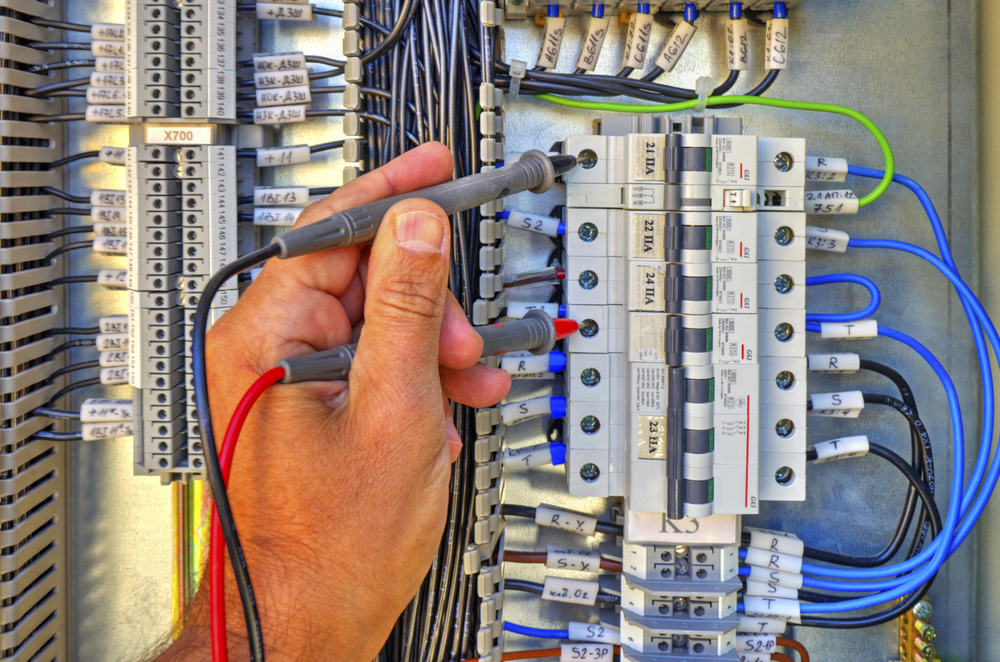
Signs That Indicate You Need an Electrical Panel Upgrade
Older homes commonly rely on panels that no longer meet modern energy needs. Homes built before the 1980s often use 60-amp panels, which struggle to power contemporary appliances. Repeated breaker trips or the smell of burning insulation signal excessive strain. Dim or flickering lights across several rooms often point to overloaded circuits.
Panels that still rely on fuses instead of circuit breakers should be replaced. Fuses offer limited protection and become difficult to manage as household electricity demands grow. Homeowners adding appliances such as air conditioning systems, hot tubs, or remodeled kitchens may discover that an older panel cannot handle the increased load safely.
Warm outlets or switches can also indicate an overworked panel. These symptoms suggest loose connections or outdated wiring, both of which raise safety concerns. Unstable electrical systems can damage electronics, elevate fire risks, and create daily frustration throughout the home.
How Electrical Panels Work
An electrical panel distributes power from the utility company to the circuits throughout your home. Each breaker corresponds to a specific area or appliance, stopping the flow of electricity if a problem arises. The panel also acts as the central point for your home’s wiring, regulating the energy sent to every device.
Panels differ in size and capacity. Common residential panels range from 100 to 200 amps, although some homes may require more based on usage and square footage. Older homes may only feature a few circuits, making upgrades necessary when adding new fixtures, electrical outlets, or other high-demand installations.
Breaker boxes are designed to interrupt electricity during an overload or short circuit. Over time, circuit breakers can weaken or fail, leading to frequent tripping. Upgrading the panel allows electricians to replace worn components and install a system capable of supporting increased electrical demand safely.
Benefits of Upgrading Your Electrical Panel
Modern electrical panels offer numerous advantages beyond safety. An upgrade reduces the risk of overheating, prevents recurring breaker trips, and supports the smooth operation of high-energy appliances.
Homeowners also gain the flexibility to expand electrical systems as needed, whether installing new fixtures or adding an additional circuit for a home office.
Upgraded panels allow better load distribution, meaning each circuit receives the correct power without overloading others. Home additions, remodeling projects, or even new air conditioning units operate efficiently when the panel can handle the increased demand.
A modern panel also enhances the reliability of electrical outlets, keeping your devices running without interruption.
Many homeowners discover improved energy efficiency after an upgrade. A properly sized panel reduces wasted energy from overloaded circuits. This results in a home that operates more smoothly and more predictably, even when multiple appliances are used simultaneously.
The Upgrade Process
An electrical panel upgrade begins with a thorough inspection of your current system. Licensed electricians assess wiring conditions, panel age, breaker compatibility, and overall load capacity.
This evaluation informs the type and size of the new panel that will best meet your home’s requirements.
Installation begins by turning off the power to the home. The old panel is carefully removed, and a new panel is installed in compliance with local codes. Electricians route wires from each circuit into the new panel and install breakers appropriate for the expected load.
New panels may include features such as surge protection, expanded capacity, and improved grounding systems.
After installation, every circuit is tested to verify functionality. Testing includes turning on all connected fixtures, checking electrical outlets, and confirming that high-demand appliances like air conditioning units operate correctly.
A final inspection guarantees that the system is safe, reliable, and capable of meeting current and future needs.
Choosing the Right Panel Size
Selecting the correct panel size is the secret to a successful upgrade. Panels are rated in amps, indicating how much electrical current they can safely handle.
A 100-amp panel may suffice for a small home with basic appliances, while a 200-amp panel is standard for modern homes with multiple high-energy devices.
Homeowners often underestimate their energy needs. Adding fixtures, expanding the number of electrical outlets, or installing an air conditioning system can quickly exceed an older panel’s capacity.
Licensed electricians calculate expected load using both current usage and potential future requirements to select the right size.
Oversizing a panel may be unnecessary, but undersizing creates immediate risks and limits expansion. Proper sizing balances cost, safety, and performance while preparing your home for modern electricity demands.
Safety Considerations
Handling electrical panels can be dangerous for untrained individuals. Exposed wires carry the risk of electric shock or fire if managed improperly. Homeowners should avoid attempting upgrades themselves.
Licensed electricians follow strict safety standards during installation. This includes disconnecting power, testing circuits, and using proper personal protective equipment.
Updated panels are installed in compliance with local codes and inspected for proper grounding, load balancing, and breaker compatibility.
Older panels may contain outdated components such as aluminum wiring, which can corrode over time. Upgrading allows electricians to replace unsafe wiring and reduce fire risks.
Safety improvements extend to appliances, fixtures, electrical outlets, and systems like air conditioning, which all benefit from stable, regulated power.
Costs
The price of an upgrade depends on panel size, installation complexity, and required wiring updates. Standard residential projects typically range from $1,500 to $3,500. Homes needing additional circuits, panel relocation, or extensive rewiring may incur higher costs.
Labor accounts for a large portion of the expense. Professional electricians conduct inspections, remove outdated panels, install new systems, and perform thorough testing. Higher-end panels may include features such as surge protection, extra breaker spaces, and enhanced grounding, which can influence pricing.
Although the upfront cost may seem significant, the long-term value is clear. Fewer breaker trips, reduced fire risks, and reliable support for modern appliances help offset the investment over time.
Maintenance After an Upgrade
Maintaining a modern panel is relatively straightforward. Routine inspections every few years help identify loose connections or worn breakers before they become problems. Homeowners should monitor their home for signs of electrical strain, such as dimming lights, unusual smells, or frequent breaker trips.
An upgraded panel reduces the need for emergency interventions. It supports fixtures, electrical outlets, and high-energy systems like air conditioning by providing consistent and regulated electricity.
If new appliances or circuits are added, the panel can often accommodate them without a complete replacement.
Homeowners benefit from knowing their electrical system can adapt to growing demands. Regular interaction with licensed electricians for maintenance or upgrades helps provide for long-term reliability and safety.
Trust B-Tec Electric Co. LLC for Your Electrical Panel Upgrade
B-Tec Electric Co., LLC takes pride in guiding homeowners through the electrical panel upgrade process from start to finish.
Our experience allows us to deal with not only the panel itself but the entire electrical system, so fixtures, electrical outlets, and high-energy appliances such as air conditioning operate smoothly and safely.
Every home is different, and we customize our services to meet the specific needs of each client.
Safety, reliability, and professionalism define our approach. We focus on long-term results rather than temporary fixes. Our veteran-owned team brings disciplined attention to detail, so your home’s electrical system functions optimally for years to come.
Scheduling an upgrade with B-Tec Electric Co. LLC allows homeowners to feel confident in the safety and performance of their electrical systems.
If you have questions about upgrading your electrical panel or need residential electrical services, please contact us. Our team is ready to provide guidance, answer inquiries, and schedule an appointment for a complete evaluation of your home’s electrical needs.