Homeowners sometimes need to know, “Do I need a permit to upgrade my electrical panel?” before planning a project. In New Jersey, upgrading an electrical panel is the type of home improvement that typically requires official approval from local authorities.
Permits confirm that work meets state and municipal safety codes and protects the homeowner from potential fines or hazards. Knowing the process can help you plan your electrical services efficiently and avoid unexpected delays.
Older homes may have outdated panels that struggle to handle modern energy demands. An upgrade may involve adding circuits, relocating wiring, or installing new breakers.
Homeowners often take this opportunity to improve fixtures or increase the number of electrical outlets in their kitchens, living areas, or bedrooms. High-energy appliances such as air conditioning systems also rely on upgraded panels to function safely and efficiently.
Why Permits Are Required in New Jersey
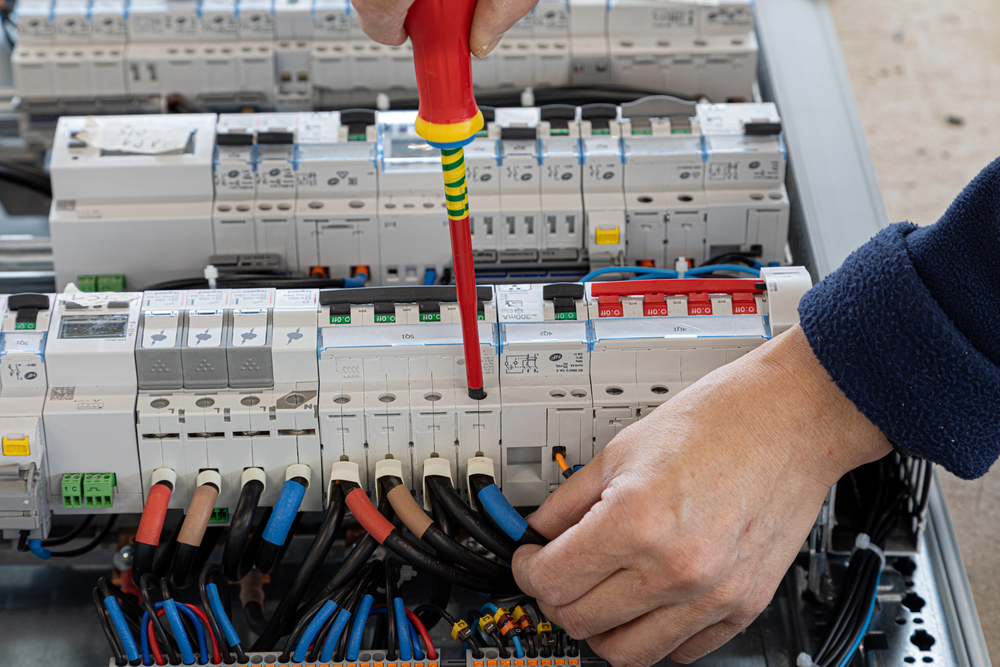
New Jersey regulations require permits for most electrical work. An electrical panel upgrade qualifies as significant work because it affects the main distribution point of electricity in the home. Permits allow inspectors to confirm that the installation complies with the National Electrical Code and state amendments. This oversight lowers the risk of fire, injury, and property damage.
Permits also help protect homeowners from liability concerns. Electrical work completed without approval can create issues during inspections or insurance claims. Damage caused by unpermitted work may not be covered. A permitted and approved installation shows that the work met legal standards, which can support property value during resale.
When a Permit Is Typically Needed
In most cases, a permit is required for panel upgrades, although details can vary between municipalities. Minor repairs, such as replacing a single breaker or tightening a loose connection, usually do not require one. Projects that increase panel capacity, add circuits, or replace outdated systems almost always need a permit.
Licensed electricians often handle the permit process as part of their service. They submit detailed plans, including the panel rating, circuit layout, and load calculations. The local building department reviews these plans to confirm compliance with electrical codes.
This process protects both the installer and the homeowner while reducing potential legal complications.
The Permit Application Process
Applying for a permit involves completing a form with the project’s specifications. This typically includes the type of panel, number of circuits, and any new wiring or breaker installations. Some municipalities in New Jersey allow online submissions, while others require in-person applications.
Once the permit is approved, the installation can proceed. Inspectors usually visit the site at different stages to review the work. They check connections, verify grounding, and confirm that all circuits are correctly labeled.
After final approval, the permit is closed, and the homeowner has documented proof of code compliance.
Benefits of Using a Licensed Electrician
Working with a licensed electrician simplifies the entire process. Electricians handle paperwork, coordinate inspections, and complete installations according to local regulations. They also plan upgrades that support fixtures, electrical outlets, and high-demand equipment such as air conditioning systems.
Licensed professionals reduce the risk of installation errors. Issues like overloaded circuits, loose connections, or improper grounding can create serious hazards. Experience allows electricians to identify and address potential problems early, keeping the home safe and functional.
Consequences of Skipping a Permit
Skipping the permit process can lead to fines, delays, or even mandatory removal of the installed panel. Insurance companies may refuse to cover damage resulting from unpermitted work, leaving homeowners financially exposed. Unpermitted upgrades can also complicate home sales, as prospective buyers may require proof of legal and safe electrical installations.
Homeowners who attempt DIY panel upgrades without permits risk injury from electric shock or improperly installed systems. The panel is the heart of your home’s electrical network, and mistakes can have serious consequences. Using a professional not only meets legal requirements but also guarantees the work is done safely and efficiently.
Planning Your Electrical Panel Upgrade
Before starting a panel upgrade, assess your home’s current and future energy needs. Consider all existing and planned appliances, lighting, and electronic systems. Homes adding fixtures, additional electrical outlets, or high-demand devices such as air conditioning may require larger panels or additional circuits.
Working with an electrician early in the process helps you avoid costly surprises. They can recommend the right panel size, estimate installation costs, and guide you through the permit process.
Planning ahead reduces downtime, prevents potential code violations, and helps ensure your electrical system functions efficiently.
B-Tec Electric Co. LLC Handles Your Panel Upgrade in New Jersey
B-Tec Electric Co., LLC guides homeowners through every step of the electrical panel upgrade process in New Jersey. Our licensed electricians manage permits, inspections, and installation to make sure your home is safe, reliable, and ready for modern energy demands.
We handle all aspects of electrical services, from upgrading panels to adding fixtures, electrical outlets, and supporting systems like air conditioning.
Our veteran-owned company focuses on quality work that homeowners can trust. Every installation is performed to code and specific to the unique needs of your home.
Working with B-Tec Electric Co., LLC gives you confidence that your electrical panel upgrade will be performed correctly, legally, and efficiently.
If you’re asking the question, “Do I need a permit to upgrade my electrical panel?” or want to schedule a consultation, please contact us. Our team is ready to answer inquiries, provide expert guidance, and schedule appointments for safe and reliable electrical upgrades.