Homeowners often find themselves at a crossroads when they realize their current power supply no longer meets the demands of modern life. You might notice flickering lights when the refrigerator kicks on or perhaps you just purchased an electric vehicle and realized your current setup lacks the capacity to support a high-speed charger.
This brings up a very common and important question: can you upgrade an electrical panel without rewiring the house? The short answer is yes, in many cases, a professional can swap out the main hub of your system without pulling every single copper strand out of your walls.
What Is an Electrical Panel Upgrade?
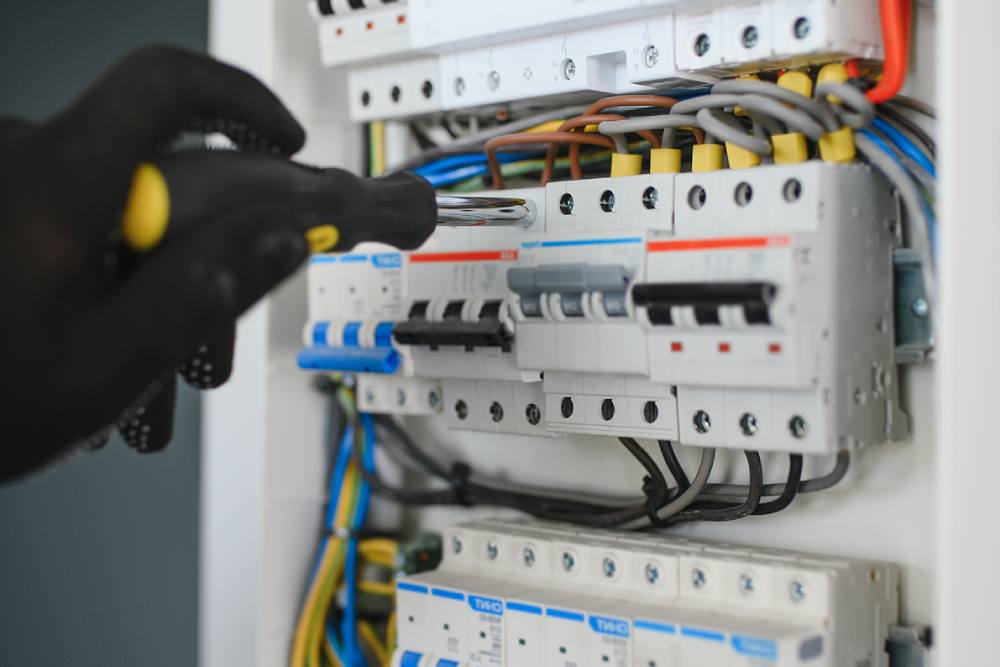
Before we answer the central question, it’s helpful to understand what an electrical panel upgrade entails. The electrical panel acts as the brain of your home, distributing power to various circuits while protecting those circuits from overloads. When this brain becomes outdated, it cannot process the amount of energy required by contemporary HVAC systems, high-end kitchen appliances, and various smart home devices.
An electrical panel upgrade typically involves replacing an old or outdated panel with a newer one that can handle increased electrical load or meet modern safety standards. In many cases, an upgrade allows you to add new circuits, increase the overall amperage capacity, or accommodate new appliances or electrical devices.
When Is It Necessary?
There are several reasons why homeowners consider upgrading their electrical panels. Some common signs that an upgrade is needed include:
- Frequent Circuit Breaker Trips: If your breaker trips frequently, it may indicate that your current electrical panel is overworked and unable to handle the demand.
- Older Panel: If your home has an old electrical panel, such as one from the 1960s or earlier, it may lack the safety features and capacity to handle modern electrical demands.
- Increased Power Usage: With the increasing number of electrical devices and appliances in homes, many homeowners need higher electrical capacity. A panel upgrade allows your system to handle more power without overloading.
- Home Renovation or Addition: If you’re renovating your home or adding new rooms, electrical upgrades may be necessary to ensure that your panel can supply sufficient power to the added space.
The Difference Between a Panel Swap and a Full Rewire
To grasp how these two projects differ, it helps to think of your home’s electricity like a plumbing system. The electrical panel is the main water valve and manifold that directs flow, while the wiring consists of the pipes leading to every faucet.
If you need more water pressure or a more modern control valve, you can replace that central manifold without necessarily ripping out every pipe behind the tile in your bathrooms. Similarly, a panel upgrade focuses on the metal box, the circuit breakers inside, and often the service entrance cable that brings power from the street.
Ripping out all the wiring in a house is a massive undertaking that usually only becomes necessary in some specific circumstances. We will discuss that in greater detail below.
Can You Upgrade an Electrical Panel Without Rewiring the House?
If your home was built in the last few decades and the wires are in good condition, you can typically keep those lines in place and simply terminate them into a new, higher-capacity panel. This allows for increased safety and better power distribution without the invasive process of opening up every wall in every room.
For instance, if you are upgrading from a 100-amp panel to a 200-amp panel to accommodate more circuits or larger appliances, the existing wiring may be sufficient to support the new panel.
However, there are certain circumstances in which rewiring may be necessary. These include:
- Outdated or Damaged Wiring: If your home has old or damaged wiring, it may not be capable of safely carrying the new electrical load from the upgraded panel. In this case, rewiring may be necessary to ensure the system is safe and functional.
- New Circuits or Heavy-Duty Appliances: If your panel upgrade involves adding new circuits or installing high-power appliances (such as electric ovens, HVAC systems, or EV chargers), the existing wiring may need to be upgraded as well. The increased electrical demand may require new or larger wires to prevent overheating and ensure safety.
- Code Compliance: If your electrical panel upgrade must meet modern electrical codes, you may be required to rewire certain parts of the home to ensure compliance with current standards.
In these instances, a licensed electrician will assess your existing wiring and determine whether rewiring is necessary. The good news is that in most cases, homeowners can avoid rewiring the entire house and only focus on upgrading specific circuits or sections of wiring.
Can I Upgrade My Electrical Panel Myself?
While some homeowners may be tempted to tackle the electrical panel upgrade themselves, it’s important to note that this is not a DIY project. Upgrading an electrical panel involves working with high-voltage electricity, which can be dangerous without proper training and experience.
The panel is the one place in the house where you cannot simply turn off a single switch to make the entire area safe. Even with the main breaker off, the lugs where the power enters from the street remain live with high-voltage electricity. One slip of a screwdriver or a moment of distraction can result in a catastrophic arc flash or severe injury.
Furthermore, a panel upgrade requires a permit and a subsequent inspection by local authorities. Insurance companies often require proof that a licensed professional performed the work.
Additionally, working with electricity without proper knowledge can result in damage to your home, injury, or even death. If a fire were to occur and the investigation found an unpermitted, self-installed panel, the claim could be denied.
Professional services provide the peace of mind that the work meets current codes and that the components are sized correctly for the specific demands of your household.
Is It Time to Make the Change?
If your current panel is more than twenty-five years old, or if you see signs of corrosion or “charring” on the breakers, you shouldn’t wait. These are clear indicators that the system is struggling to keep up. Proactive replacement is always better than reacting to an emergency power outage in the middle of a storm or a holiday weekend.
Assessing the Health of Your Current Wiring
Before moving forward with a new box, a technician must evaluate the state of the cables currently running through your attic, basement, and walls. Even if you only want a new panel, the existing wires must be compatible with the new breakers.
Modern breakers are designed to trip much more reliably than older ones, and sometimes they are more sensitive to faults in old wiring. If the wires are brittle or have been chewed by rodents, simply putting a new panel on top of a failing system is like putting a new engine in a car with a rusted-out frame.
During a standard residential electrical panel upgrade, a professional examines the gauge of the wires. Different appliances require different thicknesses of wire to carry current safely.
If you are upgrading from a 100-amp service to a 200-amp service, your main wires from the utility must be replaced, but the individual branch circuits going to your bedroom or living room outlets might remain exactly as they are. This is why a thorough inspection is the first step in determining the feasibility of a panel-only project.
Why You Might Need More Power Without New Wires
The primary motivation for most homeowners seeking electrical services is the need for more headroom. Older homes were often designed with 60-amp or 100-amp panels, which were plenty of power when the only electronics in a house were a few lightbulbs and a radio.
Today, with multiple computers, large televisions, induction cooktops, and powerful air conditioning units, those old panels are pushed to their limits. Increasing the capacity of the panel allows you to distribute the load more effectively.
It also gives you the physical space to add new dedicated circuits for specific needs, such as a home office or a basement workshop. This modernization is a proactive way to protect your electronics from power surges and reduce the risk of electrical fires caused by overheating components in an undersized box.
Navigating the Technical Challenges of Older Homes
If you live in a historic or mid-century home, the challenge of upgrading the electrical panel becomes a bit more nuanced. In some older structures, the wires do not have a grounding conductor. Modern panels and the National Electrical Code have strict requirements for grounding to ensure safety.
While you can often install a new panel, you might need to add specific types of breakers. These might include Ground Fault Circuit Interrupters (GFCI) or Arc Fault Circuit Interrupters (AFCI), to provide protection where a ground wire is missing.
These advanced breakers can sometimes be finicky when paired with old wiring because they detect tiny leaks of electricity that older, less sensitive breakers would ignore. This can lead to nuisance tripping.
A skilled professional knows how to balance these safety requirements with the realities of older wiring. The goal is always to leave the home safer than it was found, even if the budget or the situation does not allow for a complete overhaul of every wire in the building.
How Does a Residential Electrical Panel Upgrade Work?
If you’ve decided that an electrical panel upgrade is right for your home, it’s important to understand how the process works. While the process will vary depending on the specific needs of your home, here’s a general overview of what to expect.
Inspection and Assessment
A licensed electrician will inspect your current electrical system and determine the appropriate size for the new panel. They will assess your home’s power needs and check for any potential hazards, such as faulty wiring or outdated components.
Choosing the Right Panel
Based on your needs, the electrician will help you select the right panel. Most modern homes use 200-amp panels, but older homes may require 100-amp panels or even larger options for high-power appliances.
Disconnecting the Power
The power supply to your home will be temporarily disconnected while the upgrade is taking place. This ensures the safety of the electricians and prevents electrical hazards during installation.
Installing the New Panel
The electrician will remove the old panel and install the new one, connecting it to the home’s wiring. This may involve adding or upgrading certain circuits to ensure compatibility with the new panel.
Testing and Final Inspection
After the new panel is installed, the electrician will test it to ensure that it is functioning properly. They will check for correct amperage, verify that all circuits are properly connected, and ensure the system is safe to use.
At B-Tec Electric Co. LLC, we understand that your home is your sanctuary, so we prioritize a clean and efficient electrical panel installation that respects your living space. We make sure the new panel is perfectly level and that all connections are torqued to the specific manufacturer’s requirements to prevent heat buildup.
Once the new breakers are in place and the main power is restored, we test the circuits to ensure everything is functioning correctly. This professional touch ensures that the transition to a higher power capacity is seamless and safe for your family.
A New Foundation for Your Modern Home
Making the decision to modernize your electrical system is a responsible choice for any homeowner. It clears the path for future innovations and ensures that your home can handle the electrical loads of tomorrow without compromise.
By investing in a professional residential electrical panel upgrade, you can improve your current quality of life and protect your long-term investment. It allows you to enjoy your modern appliances and sensitive electronics without the constant worry of tripped breakers or electrical hazards. This simple upgrade can provide a lifetime of reliability and safety for everyone under your roof.
Your Partner for Professional Electrical Solutions
If you find yourself wondering if your current system is keeping up with your needs, reaching out for an expert opinion is the best first step. We have the knowledge and experience to evaluate your specific situation and provide a clear path forward that fits your goals and your budget. Whether you need a simple repair or a full system modernization, we are here to provide the high-quality work and friendly service you deserve.
Contact us today for a professional consultation. Our team of experienced electricians will help you make the right decision for your home.