Quick Summary
The cost of installing an EV charger at home in New Jersey depends on the charger type, panel capacity, wiring distance, installation location, permits, and any needed electrical upgrades. Level 2 chargers are the common choice for faster home charging, but each home requires a careful review before pricing can be confirmed. Professional installation helps protect your home, vehicle, and
charging equipment while giving you a safer setup for daily use.
Installing a home EV charger can make daily driving easier, especially when you want your vehicle ready before the next morning. If you are asking about the cost to install an EV charger at home, the answer depends on more than the charger price. Your panel capacity, wiring route, charger location, permit needs, and charging speed all affect the final number. Let’s break down what affects EV charger installation pricing in New Jersey homes so you can plan your next electrical upgrade with confidence.
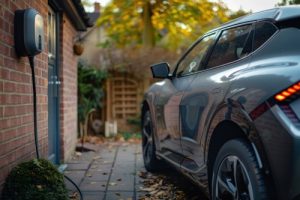
Average Cost to Install an EV Charger at Home in New Jersey
For planning purposes, a Level 2 home EV charger installation in New Jersey often falls between $700 and $3,000 for labor, materials, and standard electrical work. When charger equipment is added, the full project can often reach about $1,000 to $2,600 or more. A garage charger close to the main panel usually stays nearer the lower end, while a longer wiring route, outdoor placement, higher amperage charger, or panel change can raise the price. Smart chargers also cost more than basic units, especially when app controls, Wi-Fi features, and scheduling tools are included. These numbers give you a realistic starting point before an electrician reviews your home and confirms the safest installation path for your EV based on current home conditions.
Why EV Charger Installation Prices Vary by Home
The layout of your home plays a major role in the quote you receive, and small details can change the scope quickly. One house may have enough panel capacity available, while another may need load calculations or a panel change before a charger can be added. The parking location also affects labor, especially when wiring must pass through finished walls, basements, crawl spaces, masonry, or exterior areas. Outdoor chargers may need weather rated equipment and added protection from moisture, while higher amperage can require heavier wire, a larger breaker, and stronger electrical support. Even the charger mounting location can change the amount of conduit, drilling, finish work, and the scheduled installation appointment time as well.
Electrical Work That Can Increase Installation Costs
Several electrical upgrades can shift a basic charger job into a larger project, especially in older homes with limited panel space. An older panel, full breaker box, or outdated fuse box may need attention before a Level 2 charger can be added safely. Some homes also require new wiring, a dedicated circuit, breaker replacement, conduit, or exterior outlet work. Detached garages and long driveways often add cost through longer wire runs and more labor. A careful review helps identify these needs early, prevent undersized wiring, reduce overloaded circuit risks, and make the final price easier to understand before work begins safely at your property overall.
Charger Type, Permits, and New Jersey Incentives
Before equipment is purchased, it helps to understand how charger type and local rules affect total cost. Level 1 charging uses a standard outlet, but it is slow for routine EV use, while Level 2 charging uses 240 volt power and is the common choice for faster home charging. New Jersey towns may require permits and inspections when new wiring, a new outlet, or a direct connection is installed. Rebates and utility programs may reduce your net cost, but availability can change by charger model, service territory, and application rules. Always confirm current program rules before choosing a charger model.
Why Professional EV Charger Installation Is Worth the Cost
Safety should guide every home charging decision, especially when a charger adds a large electrical load to your home. That load must be matched to the panel, breaker, wiring, and grounding system. Professional installation also supports code compliance, permit handling, and proper inspection. Homeowners can choose a preferred charging location, but electrical design should stay with a qualified electrician. A correct setup helps your charger work reliably and protects the home from overheating, nuisance tripping, and equipment damage for daily charging at home over time.
Charge Smarter at Home with the Right Electrical Setup
Home charging should feel simple, but the right installation starts with the details we covered here, including charger type, panel capacity, wiring distance, permits, safety, and possible incentives. At B-TEC Electric Company, we help New Jersey homeowners plan residential EV Charging Station Installation with clear guidance and careful electrical work. We can review your panel, recommend the right charger location, complete wiring upgrades when needed, and handle related residential services such as panel changes, breaker box installation, circuit breaker repair, exterior outlets, and lighting repair. With the right setup, you can charge at home with more confidence, less guesswork, and a system built for
everyday use.
Ready to install an EV charger at your New Jersey home? Contact us today to request a quote or schedule an appointment.
FAQs
How much does it cost to install an EV charger at home in New Jersey?
The cost can often range from about $700 to $3,000 for many Level 2 home EV charger installations. A full project with charger equipment may reach around $1,000 to $2,600 or more. The final price depends on your panel capacity, wiring distance, charger amperage, permit needs, and installation location.
Do I need a panel upgrade for a home EV charger?
Some homes need a panel upgrade before a Level 2 charger can be installed safely. This depends on your current electrical capacity, available breaker space, and the total load already used by your home. A licensed electrician can review your panel and determine whether a charger can be added or if upgrades are needed.
Are permits required for EV charger installation in New Jersey?
Permits may be required when new wiring, a new 240 volt outlet, or a direct charger connection is installed. Local inspection rules can vary by town, so it is important to confirm requirements before the project begins. Professional installation helps make sure the work follows local code and supports safe daily charging.