Quick Summary
Choosing the right portable generator helps ensure your home stays powered during unexpected outages. This guide explains the differences between conventional and inverter generators, how to determine the right generator size, fuel options, safety considerations, maintenance requirements, and why proper installation matters. You’ll also learn why portable generators should always be connected using approved transfer equipment and how B-TEC Electric Company helps homeowners throughout New Jersey select and safely install reliable backup power solutions that provide peace of mind when the electricity goes out.
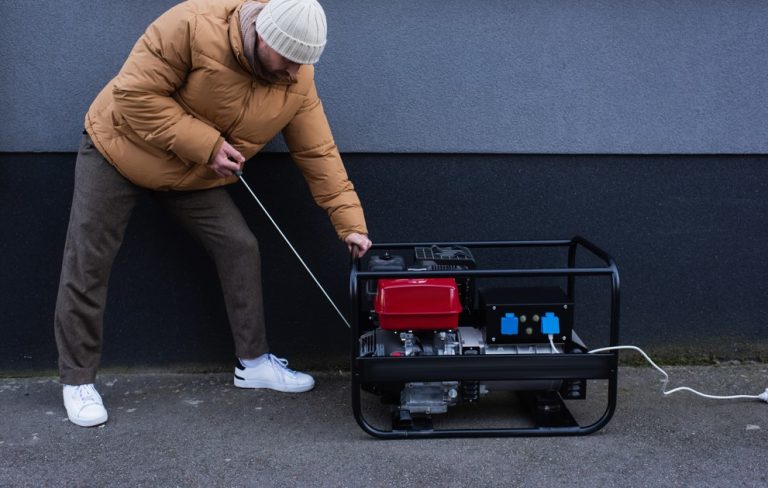
Power outages can happen without warning, whether they’re caused by severe storms, heavy snow, high winds, or utility issues. When the electricity goes out, everyday conveniences quickly become major concerns. Refrigerators stop running, heating and cooling systems shut down, medical equipment may lose power, and your home can become uncomfortable or even unsafe.
A portable generator offers a practical solution by providing temporary power during an outage. The right generator can keep essential appliances operating, protect food from spoiling, and help your household stay comfortable until utility power is restored.
However, not every portable generator is the same. Choosing the right model requires more than simply comparing prices. You need to consider your home’s power requirements, fuel options, portability, noise level, and how the generator will safely connect to your electrical system.
At B-TEC Electric Company, we help homeowners throughout New Jersey select and safely connect portable generators that fit their homes and lifestyles. This guide explains what to look for before purchasing a portable generator so you can make an informed investment.
Why Invest in a Portable Generator?
For many homeowners, a portable generator provides peace of mind during unexpected power outages. Instead of relying solely on flashlights and battery-powered devices, you can continue powering essential equipment until electricity returns.
Some of the most common reasons homeowners purchase portable generators include:
- Keeping refrigerators and freezers running
- Operating sump pumps during heavy storms
- Powering heating systems during winter outages
- Running fans or portable air conditioners during summer heat
- Charging phones, laptops, and communication devices
- Supporting medical equipment that requires electricity
- Maintaining lighting throughout the home
Portable generators are also popular for recreational use, including camping trips, RV travel, tailgating events, outdoor gatherings, and worksites where utility power isn’t available.
Their versatility makes them a valuable investment both during emergencies and everyday outdoor activities.
Understanding the Different Types of Portable Generators
Before choosing a generator, it’s important to understand the differences between the two primary types available.
Conventional Portable Generators
Conventional generators use an engine and alternator to produce electricity. These units typically provide higher power output and are well suited for running multiple appliances or heavy electrical loads.
Advantages include:
- Higher wattage capacity
- Excellent for backup home power
- Generally lower purchase price
- Reliable for extended operation
Because they operate at a constant engine speed, conventional generators tend to produce more noise and consume more fuel than inverter models.
Inverter Generators
Inverter generators produce cleaner, more stable electricity that is ideal for sensitive electronics such as televisions, laptops, smartphones, gaming systems, and medical devices.
Benefits include:
- Quieter operation
- Better fuel efficiency
- Lightweight and portable
- Reduced emissions
- Stable power output for electronics
Although inverter generators often cost more initially, many homeowners appreciate their quieter operation and improved efficiency.
How Much Generator Power Do You Need?
One of the most important purchasing decisions is selecting the proper wattage.
Buying a generator that’s too small may leave essential appliances without power. Purchasing one that’s significantly larger than necessary can increase fuel consumption and overall cost.
Start by identifying which items you want to operate during an outage.
Typical examples include:
- Refrigerator
- Freezer
- Sump pump
- Furnace blower
- Well pump
- Microwave
- Internet equipment
- Lighting
- Medical devices
- Garage door opener
Remember that many appliances require additional starting watts when they first turn on. This temporary surge can be significantly higher than their normal running wattage.
Calculating your home’s electrical needs before purchasing a generator helps ensure reliable performance when you need it most.
Choosing the Right Fuel Type
Portable generators are available with several fuel options, each offering unique advantages.
Gasoline
Gasoline generators are among the most common and are widely available throughout Stanhope and other parts of New Jersey.
Pros include:
- Easy fuel availability
- Lower upfront cost
- Good performance for occasional use
However, gasoline has a relatively short storage life and should be rotated regularly if stored for emergency use.
Propane
Propane burns cleaner than gasoline and stores much longer without degrading.
Many homeowners prefer propane because:
- Fuel stores for extended periods
- Cleaner engine operation
- Reduced maintenance
- Lower emissions
The primary consideration is ensuring you always have adequate propane available before an outage occurs.
Dual-Fuel Generators
Dual-fuel generators offer additional flexibility by allowing operation on either gasoline or propane.
This versatility gives homeowners multiple fueling options during emergencies when one fuel source may be difficult to obtain.
Noise Levels Matter More Than You Think
Portable generators vary considerably in noise output.
If your home is in a neighborhood where houses are close together, choosing a quieter generator can make a significant difference for both your family and your neighbors.
Inverter generators are generally much quieter than conventional models because their engines automatically adjust speed based on electrical demand.
Before purchasing, compare manufacturer decibel ratings and consider where the generator will be operated during an outage.
Portability and Ease of Use
Not all portable generators are equally easy to move. While smaller inverter generators may weigh less than 60 pounds, larger conventional units can exceed 150 pounds.
When comparing models, consider features such as:
- Built-in wheels
- Folding or telescoping handles
- Compact storage design
- Easy-to-read control panels
- Electric start capabilities
- Fuel gauge visibility
If you expect to move your generator frequently, these features can make setup much easier during an emergency.
Choosing a Reliable Generator Brand
Several well-known manufacturers produce dependable portable generators for residential use. Brands such as Honda, Generac, Yamaha, and other reputable manufacturers offer models with varying power capacities, fuel options, and features.
Rather than choosing solely based on price, consider factors like reliability, warranty coverage, replacement parts availability, fuel efficiency, and customer reviews. Investing in a quality generator often results in better long-term performance and fewer maintenance issues.
If you’re unsure which generator best fits your home’s needs, a qualified electrician can help you compare options based on your electrical requirements and intended use.
Safe Generator Operation Is Essential
Owning a portable generator also means understanding how to operate it safely.
One of the biggest mistakes homeowners make is running a generator inside a garage, basement, crawl space, or other enclosed area. Portable generators produce carbon monoxide, an odorless gas that can quickly become dangerous or even fatal if allowed to accumulate indoors.
For safe operation, always:
- Operate the generator outdoors in a well-ventilated location.
- Keep it away from doors, windows, and vents.
- Protect the generator from standing water while allowing proper airflow.
- Use heavy-duty extension cords rated for outdoor use.
- Follow all manufacturer operating instructions.
- Safe operation protects both your equipment and everyone in your home.
Never Connect a Portable Generator Directly to Your Home
One of the most dangerous mistakes homeowners can make is attempting to connect a portable generator directly to a home’s electrical panel without the proper equipment.
This practice, sometimes called “backfeeding,” can energize utility lines, creating a serious hazard for utility workers and damaging your home’s electrical system.
Instead, homeowners should have a professionally installed transfer switch or approved interlock device. These systems allow you to safely supply power to selected household circuits while preventing electricity from feeding back into the utility grid.
At B-TEC Electric Company, we install safe portable generator connections that meet New Jersey electrical codes and provide reliable backup power when you need it most.
Generator Maintenance Helps Ensure Reliable Performance
A generator is only useful if it starts when the power goes out.
Routine maintenance helps keep your equipment operating properly for years to come.
Recommended maintenance includes:
- Changing engine oil according to the manufacturer’s schedule.
- Inspecting and replacing air filters as needed.
- Checking spark plugs.
- Running the generator periodically to verify proper operation.
- Inspecting fuel lines and connections.
- Keeping the unit clean and dry when stored.
Regular maintenance not only extends the life of your generator but also provides confidence that it will perform during an emergency.
Should You Buy or Rent a Portable Generator?
Whether buying or renting makes sense depends on how often you expect to use the generator.
Renting may be appropriate if:
- You need temporary power for a one-time event.
- You’re completing a short-term construction project.
- You rarely experience power outages.
Purchasing is often the better investment if:
- Your area experiences frequent outages.
- You rely on electrically powered medical equipment.
- You want immediate access during emergencies.
- You regularly use a generator for recreational activities.
Many Stanhope, New Jersey homeowners find that owning a portable generator offers long-term value and greater peace of mind.
Understanding Local Requirements
Before purchasing or installing a portable generator, it’s important to understand any applicable local requirements.
Depending on your municipality and the type of installation, certain electrical connections or transfer equipment may require permits and inspections to ensure compliance with New Jersey electrical codes.
Working with a licensed electrician helps ensure your generator connection is installed safely, correctly, and in accordance with local regulations.
Let B-TEC Electric Company Help You Prepare for the Next Power Outage
Choosing the right portable generator is only part of the process. Proper installation and safe electrical connection are equally important to protecting your home and family.
At B-TEC Electric Company, we’re a family-owned and U.S. Marine Veteran-owned business with more than 30 years of electrical experience serving homeowners throughout New Jersey. We help customers choose portable generator solutions that match their power needs and install safe generator connections that provide dependable backup power when outages occur.
Whether you’re purchasing your first generator or upgrading your existing backup power system, our experienced electricians are here to help every step of the way.
Contact B-TEC Electric Company today to learn more about our portable generator services and schedule a consultation.
Frequently Asked Questions
How large of a portable generator do I need for my home?
The right size depends on the appliances and systems you want to power during an outage. Calculate both the running wattage and starting wattage of essential equipment to determine the appropriate generator capacity. A licensed electrician can help you estimate your home’s power requirements.
Can I connect a portable generator directly to my electrical panel?
No. A portable generator should never be connected directly to your home’s electrical panel without an approved transfer switch or interlock device. Improper connections can create dangerous backfeeding and pose serious safety risks.
What’s the difference between a conventional generator and an inverter generator?
Conventional generators typically provide higher power output and are ideal for larger electrical loads. Inverter generators are quieter, more fuel-efficient, and produce cleaner electricity that’s better suited for sensitive electronics.
How often should I maintain my portable generator?
Most manufacturers recommend regular oil changes, air filter inspections, spark plug checks, and periodic test runs. Following the maintenance schedule in your owner’s manual helps ensure your generator is ready when you need it.
Is a portable generator a good investment for New Jersey homeowners?
Yes. Portable generators provide reliable backup power during storms, utility outages, and other emergencies. They can keep essential appliances running, improve comfort, and help protect your home during extended power interruptions.
B-TEC Electric Company is your go-to for efficient portable generator services. Give us a call at 973-347-7337 for further guidance. Or are you ready to invest? We have a range of choices.