Quick Summary
Electrical problems such as faulty wiring, tripping breakers, power surges, flickering lights, overloaded circuits, and outdated electrical panels should never be ignored. This guide explains the ten most common electrical issues homeowners face, what causes them, and when it’s time to call a licensed electrician. Learn how early diagnosis can prevent costly repairs, improve electrical safety, and protect your home and family. B-TEC Electric Company provides expert residential electrical services throughout New Jersey, delivering dependable, code-compliant solutions backed by more than 30 years of experience.
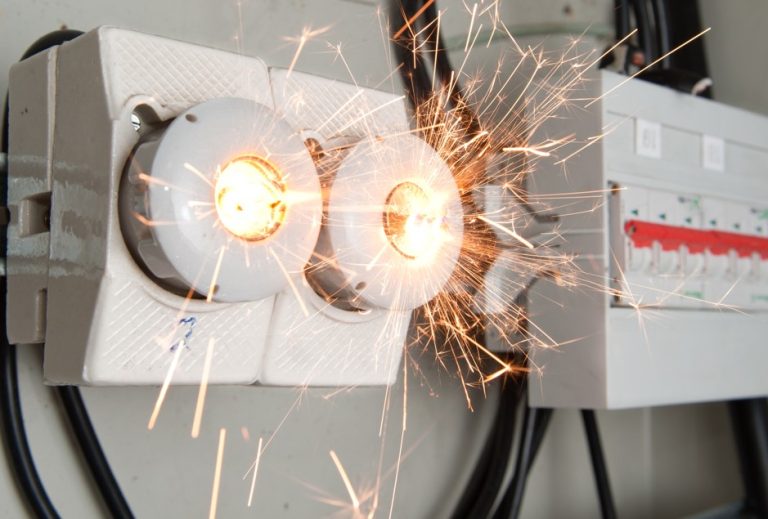
Electrical problems rarely fix themselves. A flickering light, a breaker that trips repeatedly, or an outlet that suddenly stops working may seem like minor inconveniences, but they can also be warning signs of larger issues hidden behind your walls.
Ignoring electrical problems can lead to damaged appliances, higher energy costs, unexpected power outages, or even serious safety hazards such as electrical fires and shock risks. Addressing these issues early not only protects your home but also helps prevent more expensive repairs in the future.
At B-TEC Electric Company, we’ve spent more than 30 years helping homeowners throughout New Jersey diagnose and resolve residential electrical problems safely and efficiently. As a family-owned and U.S. Marine Veteran-owned company, we’re committed to delivering reliable electrical solutions that meet current New Jersey electrical codes while giving homeowners confidence in their electrical systems.
Below are ten of the most common electrical issues we encounter and what they may mean for your home.
Why You Should Never Ignore Electrical Problems
Your home’s electrical system works quietly behind the scenes every day. Because most wiring is hidden behind walls, homeowners often don’t realize something is wrong until the symptoms become impossible to ignore.
Warning signs like warm outlets, buzzing switches, dimming lights, or frequently tripped breakers are often your electrical system’s way of telling you something needs attention.
The sooner these issues are diagnosed, the easier—and often less expensive—they are to repair. Waiting too long can allow minor problems to develop into larger safety concerns.
1. Faulty or Aging Electrical Wiring
Faulty wiring remains one of the leading causes of residential electrical problems.
Over time, wiring can deteriorate due to age, previous DIY repairs, physical damage, rodents, moisture, or outdated installation methods. Older homes throughout New Jersey may also contain electrical systems that were never designed to support today’s energy demands.
Common warning signs include:
- Flickering lights
- Burning odors
- Warm switch plates
- Sparking outlets
- Frequently tripped breakers
- Buzzing sounds inside walls
Because faulty wiring can significantly increase the risk of electrical fires, it should always be inspected by a licensed electrician.
2. Circuit Breakers That Keep Tripping
Your circuit breaker protects your home by shutting off power whenever it detects an unsafe condition.
Although an occasional trip is normal, breakers that trip repeatedly usually indicate an underlying problem such as:
- Overloaded circuits
- Faulty appliances
- Short circuits
- Ground faults
- Aging breakers
- Electrical panel issues
Simply resetting the breaker may temporarily restore power, but it doesn’t solve the root cause. A professional electrical inspection can determine why the breaker continues to trip and recommend the appropriate repair.
3. Power Surges
Many homeowners associate power surges with lightning storms, but they’re actually much more common than people realize.
Surges can result from:
- Utility grid fluctuations
- Large appliances cycling on and off
- Faulty wiring
- Damaged electrical equipment
- Severe weather
Repeated power surges can gradually shorten the lifespan of televisions, computers, kitchen appliances, HVAC equipment, and other electronics.
Installing whole-home surge protection helps safeguard your electrical system and the valuable devices connected to it.
4. Outdated Electrical Panels
Your electrical panel serves as the control center for your home’s entire electrical system.
As modern households continue adding EV chargers, larger HVAC systems, home offices, smart technology, and additional appliances, older electrical panels often struggle to keep up with increased demand.
Signs your panel may need an upgrade include:
- Frequently tripped breakers
- Rust or corrosion
- Buzzing sounds
- Warm breaker panel
- Limited breaker space
- Use of fuse boxes
- Lights dimming when large appliances start
Panel upgrades improve safety, increase electrical capacity, and help prepare your home for future electrical needs.
5. Flickering or Dimming Lights
Flickering lights are one of the most common complaints homeowners experience.
While a loose light bulb may occasionally be responsible, persistent flickering often points to more significant electrical issues.
Possible causes include:
- Loose wiring connections
- Faulty switches
- Overloaded circuits
- Voltage fluctuations
- Aging electrical panels
- Utility service issues
If lights throughout your home dim whenever large appliances start, it’s especially important to have your electrical system evaluated. Left unaddressed, these issues can place additional stress on your home’s wiring and electrical equipment.
Rather than simply replacing bulbs, a licensed electrician can identify the actual cause and recommend a long-term solution.
6. Overloaded Circuits
Modern homes rely on more electricity than ever before. Between televisions, gaming systems, home offices, kitchen appliances, HVAC systems, and electric vehicle chargers, many older electrical systems are operating beyond their original design.
When too many devices are connected to a single circuit, the result can be an overloaded circuit.
Common signs include:
- Breakers that frequently trip
- Lights dimming when appliances turn on
- Warm outlets or extension cords
- Buzzing receptacles
- Appliances losing power unexpectedly
While power strips and extension cords may seem like an easy solution, they don’t increase your home’s electrical capacity. If your family consistently exceeds what your existing circuits can handle, adding dedicated circuits may be the safest long-term solution.
7. Electrical Shocks
Even a mild electrical shock when plugging in an appliance or touching a switch should never be ignored.
Electrical shocks may indicate:
- Faulty wiring
- Damaged outlets
- Improper grounding
- Defective appliances
- Loose electrical connections
Although some shocks may seem minor, they often signal an underlying electrical problem that requires professional attention. Identifying the source early helps reduce the risk of more serious injuries or future electrical failures.
8. Dead or Non-Working Outlets
A dead outlet can be frustrating, but it can also indicate a larger electrical issue.
Possible causes include:
- A tripped GFCI outlet
- A tripped breaker
- Loose wiring
- Internal outlet damage
- Circuit failure
While some outlet problems are relatively simple to repair, others require tracing the affected circuit to identify hidden wiring issues.
If multiple outlets stop working or repeatedly fail, it’s time to schedule an electrical inspection.
9. Faulty Light Switches
Light switches experience years of daily use, making them one of the most frequently used electrical devices in any home.
Signs a switch may need attention include:
- Crackling or buzzing sounds
- Delayed operation
- Flickering lights
- Warm switch plates
- Loose or damaged switches
Sometimes replacing the switch solves the issue. Other times, the problem originates deeper within the wiring or electrical box. A licensed electrician can determine the true cause and complete repairs safely.
10. Poor or Inadequate Lighting
Lighting affects more than the appearance of your home—it also impacts comfort, safety, productivity, and energy efficiency.
If certain rooms feel too dark or outdated, upgrading your lighting can dramatically improve your living space.
Popular lighting improvements include:
- Recessed lighting
- LED fixture upgrades
- Under-cabinet lighting
- Outdoor security lighting
- Landscape lighting
- Smart lighting controls
- Dimmer switches
Modern lighting solutions not only improve visibility but also reduce energy consumption and enhance your home’s overall value.
When Should You Call a Licensed Electrician?
Some electrical issues require immediate professional attention. Contact a licensed electrician if you notice:
- Burning smells near outlets or switches
- Sparks when plugging in devices
- Frequently tripped breakers
- Flickering lights throughout the home
- Buzzing electrical panels
- Warm outlets or switch plates
- Power loss affecting multiple rooms
- Water damage involving electrical equipment
- Repeated electrical shocks
- Any visible damaged wiring
Attempting DIY electrical repairs can create additional safety hazards and may lead to code violations or costly repairs. Professional diagnosis ensures the problem is correctly identified and safely resolved.
Why Homeowners Choose B-TEC Electric Company
At B-TEC Electric Company, we understand how important a safe and dependable electrical system is to your family’s daily life.
As a family-owned and U.S. Marine Veteran-owned company with more than 30 years of electrical experience, we’ve built our reputation by providing honest recommendations, quality workmanship, and exceptional customer service throughout New Jersey.
Our licensed electricians handle everything from troubleshooting and electrical repairs to panel upgrades, outlet installations, lighting improvements, portable generator connections, EV charger installations, and complete residential electrical services.
Whether you’re dealing with a recurring electrical issue or planning a major upgrade, we’re committed to delivering safe, code-compliant solutions that protect your home for years to come.
Don’t Ignore the Warning Signs
Electrical problems often begin with small symptoms that are easy to overlook. Addressing them early helps prevent larger repairs, protects your appliances, and reduces the risk of electrical hazards.
If you’ve noticed flickering lights, faulty outlets, overloaded circuits, or any other electrical concern, don’t wait until the problem becomes more serious.
Contact B-TEC Electric Company today to schedule an inspection. Our experienced electricians proudly serve homeowners throughout New Jersey with dependable electrical services designed to keep your home safe, efficient, and powered with confidence.
Frequently Asked Questions
Why do my circuit breakers keep tripping?
Frequent breaker trips usually indicate overloaded circuits, faulty appliances, damaged wiring, or an aging electrical panel. A licensed electrician can determine the exact cause and recommend the appropriate repair.
Are flickering lights a sign of a serious electrical problem?
They can be. While a loose bulb is sometimes responsible, persistent flickering may indicate loose wiring, overloaded circuits, voltage fluctuations, or electrical panel issues that should be professionally inspected.
How do I know if my home’s electrical panel needs replacing?
Signs include frequent breaker trips, buzzing sounds, corrosion, warm breakers, limited circuit space, or an older fuse box. A professional inspection can determine whether an upgrade is recommended.
What causes electrical outlets to stop working?
Dead outlets may result from tripped breakers, GFCI outlets, loose wiring, damaged receptacles, or circuit problems. If resetting the breaker doesn’t restore power, an electrician should inspect the outlet.
When should I call an electrician instead of attempting a DIY repair?
Any issue involving wiring, breaker panels, outlets, switches, recurring electrical problems, or burning smells should be handled by a licensed electrician to ensure your home’s electrical system remains safe and code-compliant.