Quick Summary
Installing an outlet may look easy, yet the job involves live circuits, hidden wiring conditions, code requirements, and connections that can overheat when done incorrectly. Common do-it-yourself errors include reversed polarity, missing grounds, mismatched amperage, and skipped protection in wet areas. Unpermitted or faulty work can also complicate insurance claims and home sales. Hiring an experienced electrician delivers proper testing, correct materials, and lasting safety for your household. For outlet projects of any size, professional installation is the smartest and safest choice.
Spend five minutes on any video site and you will find someone cheerfully swapping an outlet in less time than it takes to brew a pot of coffee, and with the parts costing only a few dollars, it is easy to see why so many homeowners start wondering whether they could simply do it themselves.
So, can I install an electrical outlet myself? Technically, a determined homeowner can get wires attached to a receptacle, but the more useful question is whether that outlet will still be safe, up to code, and working properly ten years from now, which is a very different thing.
B-Tec Electric Co. LLC has spent more than three decades fixing well-meant electrical projects around northern New Jersey, and our team’s advice has not really changed in that time: outlet installation is a job for a qualified electrician.
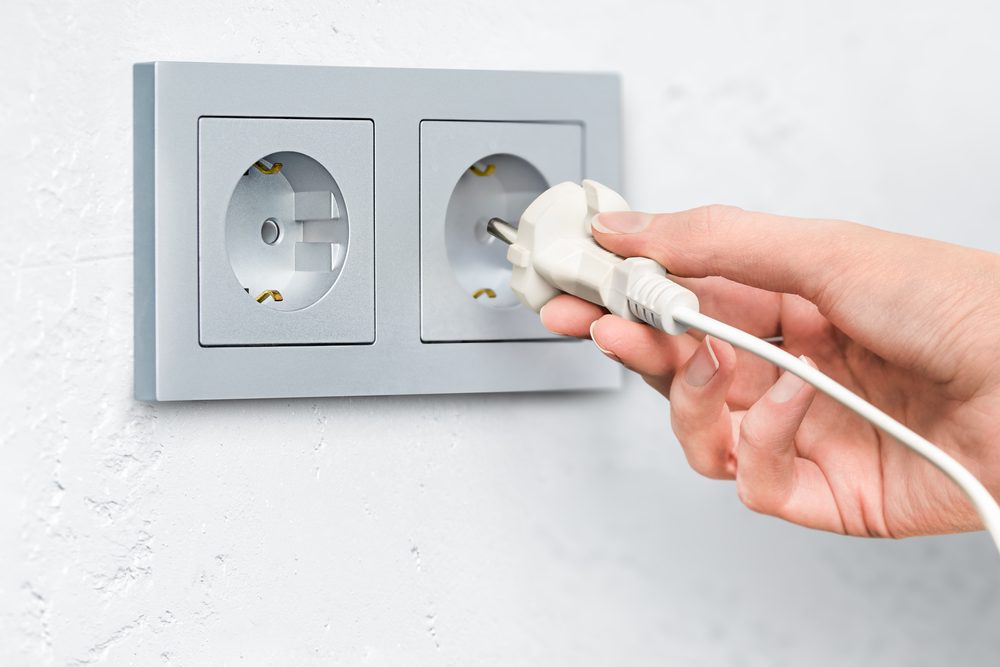
The Hidden Risks Behind a Simple-Looking Job
Every outlet sits at the end of a circuit, and what happens upstream matters a great deal, since breakers are mislabeled more often than people expect and some circuits share wiring in ways that keep a receptacle live even after the breaker you thought controlled it has been switched off. Without a proper tester, and some experience reading it, assuming a wire is dead can turn into a painful mistake.
Fire is the other worry, and it tends to be a quiet one, because a slightly loose connection, a wire that is undersized for the load, or a receptacle rated below its breaker can sit inside the wall heating up for months before anyone notices. Adding a brand new outlet raises the stakes further, since it means running cable through framing, picking the right box, protecting the circuit, and making sure the existing wiring can actually handle the extra demand.
Older homes call for extra care. Decades-old wiring can have brittle insulation, aluminum conductors, or no ground at all, and disturbing it during what seems to be a simple swap can expose bare conductors or leave connections that fail down the road, which is exactly the kind of problem an experienced electrician tends to spot within seconds of opening the box.
Where DIY Outlet Projects Go Wrong
After years of repairing other people’s work, our team sees the same handful of mistakes over and over. Reversed polarity, where hot and neutral are swapped and devices stay energized even when they are switched off, sits near the top of the list, along with skipped or poorly made ground connections that remove the safety path meant to prevent shock. We also find receptacles and wire that do not match the circuit’s amperage, boxes crammed with too many wires, standard outlets in kitchens, bathrooms, garages, or outdoor spots where ground-fault protection belongs, and quick push-in backstab connections that loosen over time and start to heat up.
Higher voltage work raises the risk again, since dryer, range, and vehicle charging outlets all run on 240 volts, which is a big part of why we treat EV charger installation as a job for trained professionals and nobody else.
Modern Codes Ask for More Than a Basic Receptacle
Electrical codes change over time, and current requirements are more demanding than many homeowners realize. Ground-fault protection, which the National Fire Protection Association describes in its home electrical safety guidance, is expected in kitchens, bathrooms, garages, basements, and outdoor locations, while arc-fault protection and tamper-resistant receptacles apply in many living spaces, depending on local adoption.
Pick the wrong device, or wire the right one incorrectly, and a home can fall out of compliance without a single visible clue that anything is off.
Keeping up with those standards is simply part of the job for us, so every outlet we put in is matched to the room it serves and the way it will be used.
Signs You Should Call an Electrician First
A few situations should send you to the phone or the contact form before you ever pick up a screwdriver: an outlet that feels warm, buzzes, or gives off a burning smell, breakers that keep tripping when a circuit is in use, two-prong outlets, aluminum wiring, or wiring nobody can date, a new outlet location that means opening a finished wall, and anything involving a 240-volt appliance or charging outlet.
The Real Cost of Getting It Wrong
DIY usually starts as a way to save money, though the math rarely works out the way people hope, since a decent tester, the right tools, and replacement parts add up quickly, and one mistake can mean ruined devices, a tripped main breaker, or patching drywall after an opened wall goes sideways.
At the far end, the price is measured in injuries or fires. A professional visit, on the other hand, comes with tested work and a clear estimate up front, and since we offer free estimates on request, you can see the real cost of a safe installation before deciding anything.
What Professional Outlet Installation Looks Like
When you hire an electrician for outlet installation, the few minutes of actual labor are honestly the smallest part of what you are paying for, since most of the value lies in the testing, the judgment calls, and the accountability that come with the work.
Our team looks at the circuit, checks the panel and the existing wiring, picks the right receptacle for each location, and confirms grounding, polarity, and protection before packing up the tools.
We clean up after ourselves and walk you through what we found, so you leave knowing a little more about your home than you did that morning, and that is the kind of thorough electrical outlet installation service that turns a small project into a lasting improvement.
Experience is what makes that possible. Our company is owned and operated by a proud U.S. Marine veteran, and you can read more about our veteran-owned company and the family behind it.
So, can I install an electrical outlet myself and still get professional results? In our experience, rarely, and never without risk.
Let Us Handle It the Right Way
Your time is worth more than a weekend spent tracing wires, and your family deserves outlets that will never let them down. Reach out today to request a quote, and we will match you with the right solution for your home, from a single receptacle to a full set of new circuits. Start the conversation now, and let our experience do the heavy lifting.
Our friendly team will answer your questions, explain your options plainly, and make sure every connection is done correctly the first time.
Frequently Asked Questions
Can I replace an existing outlet myself?
Even a simple swap can expose aging wiring, poor grounding, or an overloaded circuit. We recommend having an electrician handle replacements, especially in older homes.
How much does it cost to hire an electrician to install an outlet?
Pricing depends on whether the work is a replacement or a new location, the wiring involved, and the protection required. We offer free estimates upon request.
How long does professional outlet installation take?
A single receptacle is often completed in one visit, while new circuits or work inside finished walls take longer. We explain the timeline before we start.