Quick Summary
Electrical outlets wear out because internal contacts loosen, overheat, and lose their grip on plugs. Loose plugs, warm faceplates, buzzing sounds, scorch marks, flickering power, and outlets that will not reset are clear signs that replacement is due. Most receptacles last about fifteen to twenty-five years, and heavily used or older outlets often fail sooner. Professional replacement includes circuit testing, grounding checks, and the correct receptacle for every room, which protects your household, appliances, and wiring from avoidable fire and shock hazards.
Every home has that one outlet. The phone charger only works when the cord sits at a certain angle, the lamp flickers whenever someone walks past, or the plug slides out on its own. Most of us learn to live with these quirks, yet they raise a fair question: do electrical outlets go bad? The short answer is yes, and the signs usually show up well before an outlet fails completely.
Outlets are working parts that wear down through years of plugging, unplugging, heat, and electrical load. Our team at B-Tec Electric Co. LLC has inspected homes across northern New Jersey for more than 30 years, and a worn outlet is one of the most common hazards we find.
Knowing when to replace electrical outlets protects your family, your appliances, and your peace of mind.
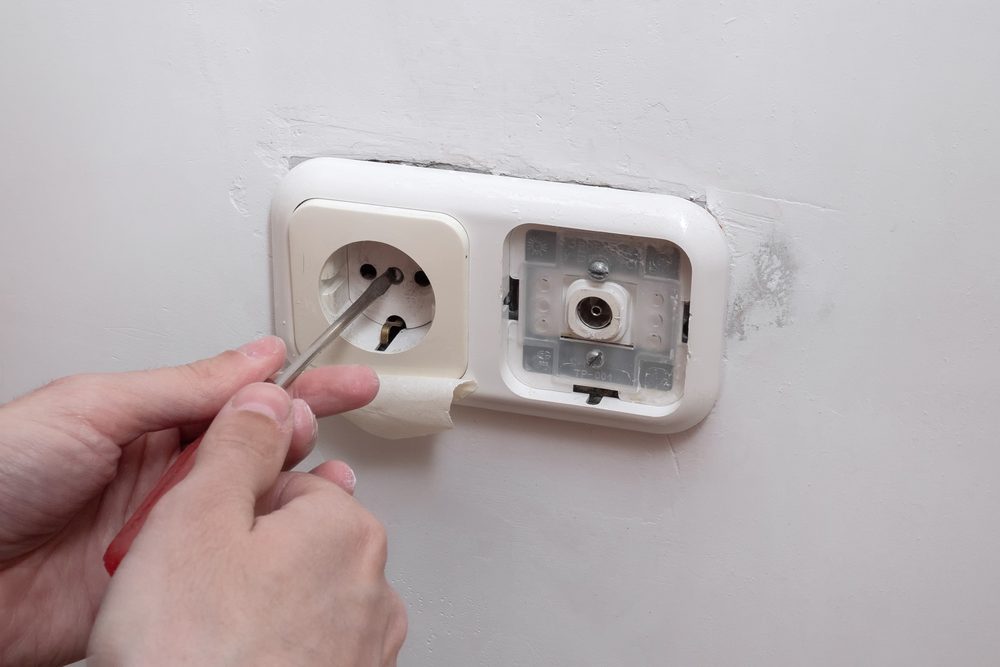
How Long Do Electrical Outlets Last?
So, do electrical outlets go bad on a predictable schedule? Not exactly, but most standard receptacles are built to serve for roughly 15 to 25 years under normal use. Kitchens, home offices, and entertainment centers place constant demand on outlets, so those wear faster than a receptacle behind a guest room dresser. Older homes add another layer, since outlets installed decades ago were never designed for today’s chargers, space heaters, and countertop appliances.
Inside every receptacle, metal contacts grip the prongs of a plug. Over time, those contacts loosen and lose tension. A loose contact creates resistance, resistance creates heat, and heat is what turns ordinary wear into a fire risk.
Warning Signs an Outlet Has Gone Bad
Outlets rarely fail without notice. If you see any of the following, it is time to have a professional take a look:
Loose plugs: Cords that fall out or will not stay seated point to worn contacts.
Warm or discolored faceplates: Heat, brown marks, or scorching signal overheating behind the wall.
Buzzing or crackling sounds: These noises often come from loose or arcing connections.
Burning smell: Even a faint odor near an outlet should never be ignored.
Flickering lights or intermittent power: Unreliable connections cause devices to cut in and out.
Cracked covers or damaged slots: Physical damage exposes live parts and invites shock.
Tripping breakers or a GFCI that will not reset: The outlet or its circuit may be failing.
Why does this matter? A receptacle that is only slightly loose today can become a persistent hot spot by next winter, when space heaters and holiday lighting raise the demand on every circuit.
If you notice smoke, scorch marks, or a burning smell, stop using the outlet, switch off its breaker, and call an electrician right away.
When to Replace Electrical Outlets
The clearest reasons to replace an outlet are a loose grip on plugs, visible heat damage, cracks, and repeated failures. Age matters too. If a receptacle is more than 20 years old, or your home still has two-prong outlets with no grounding, replacement is a wise investment.
Kitchens, bathrooms, garages, and outdoor areas call for ground-fault protection under current codes, as the National Fire Protection Association notes in its home electrical safety guidance, so older standard outlets in these spaces should be upgraded. A power surge, a flood, or a remodel is also a good moment to have every outlet in the affected area checked.
If several outlets in one room show wear, replacing them together is usually more efficient than repairing them one at a time.
Many homeowners find it useful to review outlets alongside other improvements. Our list of electrical upgrades for home safety and energy saving shows how small updates work together, and outlets and light fixtures often age at the same pace, so we can handle fixture installation during the same visit.
While we are on site, we are also glad to review smoke detector installation so your safety devices are as dependable as your receptacles.
Why Outlet Replacement Deserves an Electrician
Swapping a receptacle can look like a quick task, but the outlet is only the visible part of the problem. Behind the wall, there may be brittle insulation, aluminum wiring, overloaded circuits, or connections that were poorly made years ago.
Our electricians test each circuit, confirm proper grounding and polarity, inspect the wiring, and choose the right receptacle for the room. That knowledge comes from decades of hands-on work, and it is the difference between a repair that lasts and one that hides a hazard.
If you have been searching for “electrical outlet installation near me,” we are ready to help. B-Tec Electric Co. LLC is owned and operated by a U.S. Marine veteran, and we serve homeowners within a 20-mile radius of Stanhope.
As trusted electricians in Stanhope, NJ, we offer free estimates on request and take the time to explain every step before we begin. Whether you need one new receptacle or an electrician for outlet installation throughout the house, our team brings the same care to every job.
Simple Habits That Extend Outlet Life
A little care goes a long way. Avoid daisy-chaining power strips, and never plug several high-demand appliances, including space heaters, toasters, and microwaves, into the same circuit.
Pull plugs out by gripping the plug body rather than tugging the cord, since repeated yanking loosens the contacts. Use quality surge protection for sensitive electronics, and press the test and reset buttons on ground-fault outlets regularly to confirm they still protect you.
These habits reduce strain, yet they cannot reverse wear that has already happened. When an outlet shows any of the warning signs above, replacement is the reliable answer.
Make Your Home Safer This Week
A warm faceplate should not be the reason you finally act. Go ahead and schedule an appointment online, and let a veteran-owned team inspect the outlets you have been worried about.
We will tell you what needs attention, what can wait, and what it will take to restore steady, safe power to every room.
Frequently Asked Questions
How long do electrical outlets last?
Most receptacles last roughly 15 to 25 years, although heavy use, heat, and older wiring can shorten that lifespan considerably.
Can a worn outlet cause a fire?
Yes. Loose internal contacts generate heat, and repeated overheating can damage wiring and surrounding materials. Prompt replacement removes that risk.
How much does it cost to replace an outlet?
The cost depends on the number of outlets, the condition of the wiring, and the type of receptacle required. We provide free estimates upon request, so you know the price before any work begins.