Quick Summary
Licensed electrical work protects more than a single outlet, fixture, or circuit. It safeguards the people, appliances, and systems that depend on reliable power every day and helps homeowners make informed improvement decisions. A qualified electrician can identify hidden faults, select the right materials, complete code-aware installations, and plan upgrades around the capacity of the home. Professional service also reduces the chance that a small symptom will return as a larger and more expensive problem.
Many people wonder, ‘Why hire an electrician if I can do it myself?’ Understanding why it is necessary to hire an electrician starts with recognizing that residential electrical work is rarely isolated. A flickering light may point to a loose connection, a tripping breaker may indicate an overloaded circuit, and a warm outlet may signal damaged wiring behind the wall. Licensed professionals are trained to look beyond the visible symptom and determine what is happening throughout the connected system.
For New Jersey homeowners, professional electrical service also brings structure to projects that involve permits, inspections, load calculations, and modern safety devices. The goal is not simply to make the power come back on. It is to complete the work in a way that remains safe, dependable, and appropriate for the home.
1. Electrical Problems Can Be Hidden
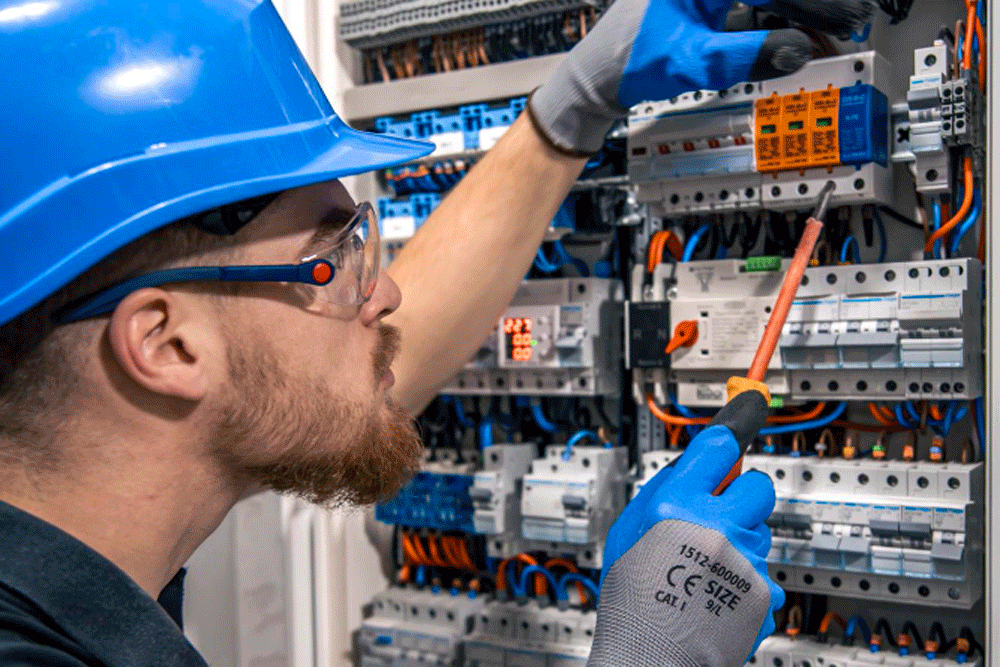
Electricity travels through wiring, junction boxes, breakers, switches, and devices that are often concealed. A quick surface-level fix can miss loose conductors, heat damage, improper grounding, or an overloaded circuit. A licensed electrician uses testing equipment and systematic troubleshooting to identify the source before recommending a repair.
2. Training Matters When Safety Is Involved
Electrical work can expose a person to shock, burns, arc faults, and fire hazards. Training teaches an electrician how to de-energize equipment, verify that circuits are safe to handle, select protective devices, and make secure connections. That knowledge is one of the clearest reasons homeowners should avoid experimenting with unfamiliar wiring.
3. Licensed Electricians Understand Residential Systems
Homes contain interconnected electrical loads that change as new appliances and technology are added. Experienced NJ licensed electricians evaluate panel capacity, circuit demand, wire size, grounding, and the condition of older components. This broader view helps prevent an upgrade in one room from creating a problem somewhere else.
4. Professional Diagnosis Saves Time
Replacing the first component that looks suspicious does not always solve the problem. A breaker may trip because of the connected appliance, damaged wiring, an overloaded branch circuit, or a failing breaker. Professional diagnosis narrows the possibilities efficiently and reduces repeated purchases, temporary fixes, and unnecessary disruption.
5. Code-Aware Work Protects the Project
Electrical requirements affect outlet placement, wet-location protection, circuit sizing, grounding, smoke alarms, panel work, and many other improvements. A licensed professional understands how current standards apply to the project and when local permits or inspections may be involved. This is especially important during renovations, additions, and major equipment installations.
6. A Licensed Electrician Can Explain Your Options
Electrical projects often have more than one workable solution. A professional can explain the differences between repair and replacement, standard and dedicated circuits, or a small upgrade and a broader panel improvement. Clear recommendations help homeowners decide based on safety, future plans, budget, and the condition of the existing system instead of feeling pressured into a one-size-fits-all answer.
7. The Right Materials Make a Difference
Not every outlet, breaker, wire, electrical box, or connector is interchangeable. Components must match the circuit, environment, and equipment being served. A professional can identify compatible materials and install them according to their intended use, rather than relying on a part that merely appears to fit.
8. Modern Homes Often Need More Power
Home offices, kitchen appliances, entertainment systems, air-conditioning equipment, and electric vehicles can place new demands on an older electrical system. An electrician can determine whether the existing panel and circuits are ready for the added load. When they are not, a planned upgrade is safer than depending on extension cords or overloaded outlets.
Projects such as professional electrical outlet installation can add power where it is actually needed while accounting for circuit capacity, grounding, and required protection in kitchens, bathrooms, laundry areas, garages, and outdoor spaces.
9. Lighting and Fixtures Need Secure Connections
Decorative lighting can change a room, but the electrical box, wiring, mounting method, and circuit still need to be suitable for the fixture. Professional fixture installation addresses both appearance and safe operation, especially for heavy chandeliers, ceiling-mounted lights, vanity fixtures, and under-cabinet lighting.
10. Skilled Work Can Prevent Repeat Problems
A rushed repair may restore power temporarily without correcting weak connections, damaged conductors, or the condition that caused the failure. A licensed electrician tests the completed work and checks related components when appropriate. That attention helps reduce callbacks and gives homeowners a clearer understanding of the system’s condition.
11. You Gain a Reliable Partner for Future Improvements
A homeowner’s electrical needs change over time. A professional who understands the property can help plan panel changes, lighting updates, remodel wiring, smoke detector installations, ceiling fans, exterior outlets, and other projects in a sensible order. This turns electrical work from a series of emergencies into a more deliberate home-improvement plan.
Choose B-Tec Electric Co. LLC For Residential Electrical Work
B-Tec Electric Co. LLC is a veteran-owned residential contractor with more than 30 years of electrical experience. We bring friendly communication, practical knowledge, and careful workmanship to homes throughout our New Jersey service area.
When you need an experienced NJ electrician, call us to request a quote or schedule an appointment.
FAQs
Why should I hire a licensed electrician instead of doing the work myself?
A licensed electrician has the training and testing tools to identify hazards, select compatible components, and complete work according to applicable electrical requirements. DIY mistakes can remain hidden until a circuit is heavily loaded or a connection begins to overheat.
What types of projects usually require an electrician?
Call a professional for panel changes, new circuits, rewiring, outlets, fixtures, ceiling fans, smoke detectors, EV chargers, AC electrical connections, recurring breaker trips, and any problem involving damaged or uncertain wiring.
How do I choose among NJ electrical contractors?
Confirm licensing, insurance, residential experience, communication practices, written scope, and the company’s familiarity with the type of work you need. A clear estimate and straightforward answers are strong signs of a professional process.