It is one of the first questions homeowners ask us before a panel job: “Do I need a permit to upgrade my electrical panel?” In New Jersey the answer is yes. Replacing or upgrading a panel needs an electrical permit from your town’s construction office, even when a licensed electrician does the work.
The permit is how the town confirms the work meets state and local safety codes, and it keeps you clear of fines later. Knowing how the process runs helps you plan your electrical services and avoid surprise delays.
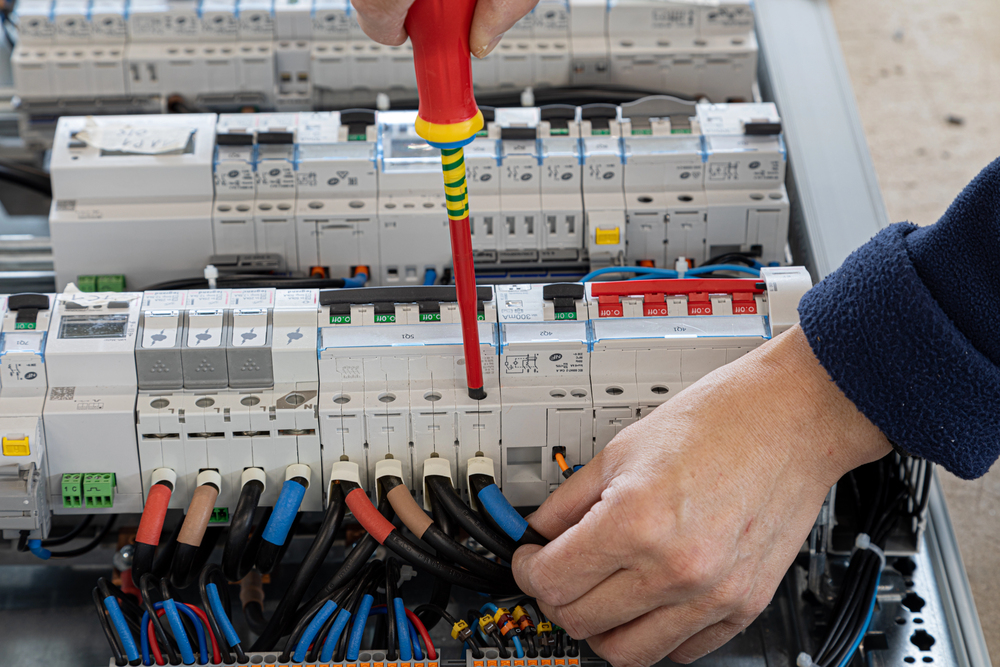
Plenty of older homes still have panels sized for a time before central air and home offices. An upgrade might mean adding circuits, moving wiring or swapping in new breakers.
It is also a good moment to add fixtures or more electrical outlets in the kitchen, living room or bedrooms. Big loads such as air conditioning depend on a panel that can carry them.
Why New Jersey Requires a Permit for Panel Work
Under New Jersey’s Uniform Construction Code, most electrical work needs a permit, and panel work is near the top of the list because the panel feeds every circuit in the house. The inspection checks the job against the National Electrical Code and the state’s amendments, which cuts the risk of fire, shock and property damage.
A permit also protects you on paper. Unpermitted work can cause trouble at a home sale or during an insurance claim, and damage tied to it may not be covered. An approved, closed permit shows the job met the code.
When a Panel Permit Is Needed
A panel upgrade almost always needs a permit, though the details vary a little from town to town. Small repairs, such as swapping one breaker for the same type or tightening a loose lug, usually don’t. Anything that adds capacity, adds circuits or replaces an old system does.
Most licensed electricians pull the permit for you. The application lists the panel rating, the circuit layout and the load calculation, and the town’s construction office reviews it before work starts.
That review protects the homeowner and the electrician alike, and it heads off legal headaches down the road.
How the Panel Permit Process Works
The application itself is a form describing the job: the panel type, the number of circuits and any new wiring or breakers. Some New Jersey towns take it online, while others still want it in person. A typical panel upgrade runs like this:
- The electrical contractor files the permit application with your town’s construction office.
- The town reviews the application and issues the permit.
- The electrician replaces or upgrades the panel and its breakers.
- If the service size changes, the utility disconnects and reconnects power at the meter.
- The town’s electrical inspector checks the panel, grounding, bonding and connections.
- Once the work passes, the permit is closed and the upgrade is on record.
Some towns send the inspector out more than once. The inspector looks at the connections, confirms the grounding and checks that every circuit is labeled.
When the final inspection passes, the permit is closed and you have a record that the work met code.
Why a Licensed Electrician Makes the Permit Easier
A licensed electrician takes the paperwork off your plate. We file the permit, schedule the inspections and do the work to local rules, and we size the upgrade around the fixtures, outlets and air conditioning you plan to add.
Experience also catches problems early. Overloaded circuits, loose connections and poor grounding are easy to miss and dangerous to leave, and spotting them during the upgrade keeps the house safe.
What Happens If You Skip the Permit
Skipping the permit can bring fines and delays, and a town can even order the new panel opened up or removed. Insurers may refuse claims tied to unpermitted work, and buyers often ask for proof that electrical upgrades were done legally.
There is also the danger itself. A DIY panel swap without a permit exposes you to serious shock and to mistakes that affect every circuit in the house. Our guide to DIY electrical work in New Jersey explains which jobs homeowners can legally take on, and a panel is not one we recommend.
How to Plan an Electrical Panel Upgrade
Start by listing what the house runs today and what you plan to add. New fixtures, extra outlets or a new air conditioner can push you toward a larger panel or more circuits.
Bring an electrician in early. We can recommend the right panel size, give you a free estimate and walk you through the permit before anything is scheduled.
A little planning shortens the time your power is off and keeps the job on the right side of the code.
B-TEC Electric Handles Your Panel Upgrade and Permit
B-TEC Electric Company guides New Jersey homeowners through every step of a panel upgrade. Our licensed electricians handle the permit, the inspection and the installation, so your home is safe and ready for what you plug into it.
The same visit can cover new fixtures, added outlets and the circuits an air conditioner needs.
We are a family-owned and U.S. Marine veteran-owned company that has served homeowners since 1993. Every installation is done to code and planned around your house.
You can count on the upgrade being done correctly, legally and without wasted time.
Still wondering, “Do I need a permit to upgrade my electrical panel?” Contact us or call 973-347-7337 for a free estimate. We’ll answer your questions and schedule the work when you’re ready.
FAQs
1. Does a licensed electrician need a permit to upgrade an electrical panel in New Jersey?
Yes. New Jersey requires an electrical permit from your town’s construction office to replace or upgrade a panel, even when a licensed electrician does the job. The contractor normally files it, and the town’s electrical inspector signs off before the permit closes.
2. Can I upgrade my electrical panel without a permit?
No. Upgrading a panel without a permit violates New Jersey’s Uniform Construction Code. It can lead to fines, an order to open finished walls for inspection, trouble with insurance claims and delays when you sell, and a licensed electrician builds the permit and inspection into the job.
3. What happens at a panel upgrade inspection?
The town’s electrical inspector checks that the new panel, breakers, grounding, bonding and wiring connections meet code. If the service size changed, the utility also disconnects and reconnects power at the meter, and once the inspection passes the permit closes and the work is on record.
4. Do I need a permit to replace a single breaker?
Usually not. Swapping one breaker for the same type and rating is generally treated as a minor repair. New circuits, more panel capacity or a whole new panel do need a permit, and since rules vary by town, check with your town or electrician first.