Learning how to use a portable generator the right way helps keep your home safe during outages and gives you dependable backup power when you need it most.
At B-Tec Electric Co. LLC, our team works with generators every day, and we know how important it is for homeowners to follow safe practices each time they operate one. We support families across New Jersey with generator installation, repair, and electrical upgrades.
Over the years, we have seen that safe operation begins with clear guidance and consistent habits. This guide shares what we teach our customers along with insights gathered from long experience working with residential electrical systems.
Starting With the Basics of Portable Generator Safety
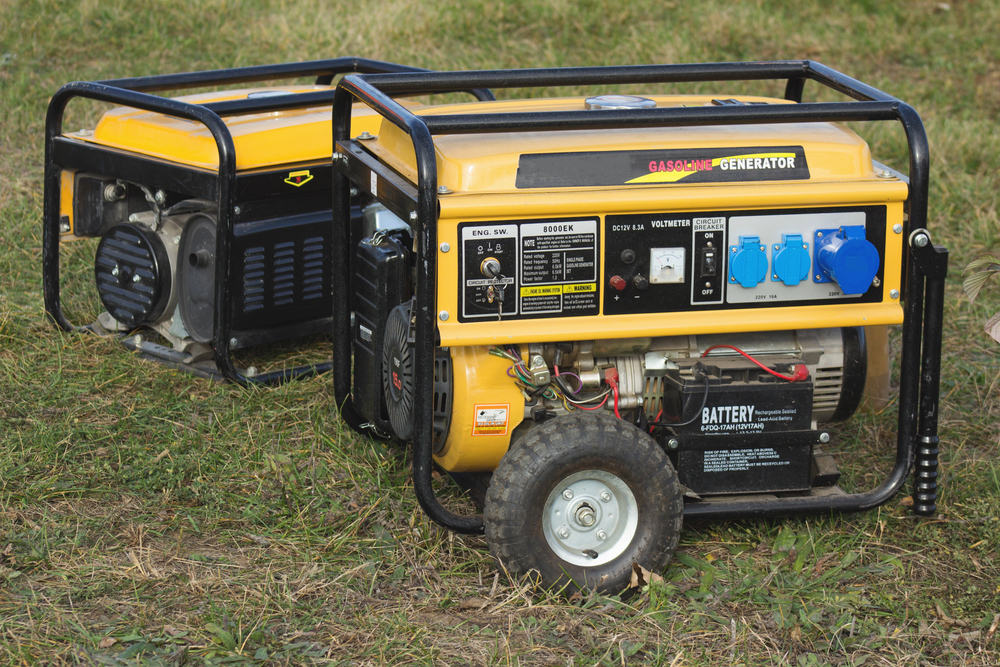
A portable generator provides comfort during storms or sudden outages, but it must be handled carefully every time it operates. A generator functions as a small engine, producing exhaust, heat, and electricity simultaneously. Each of these elements requires careful attention to prevent hazards. Understanding the nature of the equipment before pulling the starter cord is essential for safe operation.
Running a portable generator indoors is extremely dangerous. The exhaust contains carbon monoxide, a gas that cannot be seen or smelled. Outdoor operation is the only safe option for any home.
Many homeowners assume that an open garage provides sufficient ventilation, but a garage can trap fumes quickly, creating serious risk for anyone inside. The safest placement is outside on a level surface, at least twenty feet away from doors, windows, or vents. This distance keeps exhaust away from living areas and reduces the chance of fumes drifting inside.
Keeping the generator dry is equally important. A portable generator should never operate in rain, standing water, or conditions that allow moisture into the outlets. Position the unit on a firm, flat surface and provide a cover that allows airflow while shielding it from rain. Dry airflow helps maintain stability and prevents overheating while the generator runs.
Preparing Your Generator Before You Start It
A portable generator must be properly prepared before being switched on. Careful preparation helps maintain engine condition and reduces risks. Reading the manual that comes with the unit is essential. Each model has differences in fuel type, watt limits, and startup procedures. Understanding these details ensures confident and safe operation.
Fuel is a critical part of preparation. Many generators use gasoline, which can degrade over time. Fresh fuel promotes a smooth start and prevents sputtering or stalling. Store gasoline in approved containers, away from the home, and in a cool location. Refueling should never occur while the generator is running or still hot. Allowing the engine to cool first reduces the risk of ignition during refueling.
Checking oil levels is another important step. Oil keeps engine components moving smoothly and prevents unnecessary strain. Operating a generator with low oil can shorten its lifespan. Oil should be checked before any extended period of use.
Once preparation is complete, the starting sequence can begin. Many generators feature a choke and an on-off switch. Setting the choke correctly, turning on the fuel valve, and pulling the starter cord usually start the engine after a few attempts. Some models include electric start buttons, simplifying the process.
Connecting Appliances the Right Way
After a portable generator is running, appliances must be connected carefully. Generators have limited watt capacity, and exceeding it can strain the engine or trip breakers. Prioritize essential items such as refrigerators, fans, sump pumps, lighting, and small appliances during an outage.
Use heavy-duty, outdoor-rated extension cords with three prongs and no visible damage. Plug the appliance into the cord first, then connect the cord to the generator. This reduces the risk of sudden power surges.
Never connect a generator directly to a home outlet, a practice known as “backfeeding,” as it can send electricity into utility lines and endanger repair crews. The safest way to power home circuits is through a transfer switch installed by a licensed electrician. A transfer switch allows selected circuits to run safely without creating hazards.
Ventilation, Carbon Monoxide Safety and Exhaust Awareness
Portable generators produce exhaust that contains carbon monoxide, a gas that cannot be seen, smelled, or tasted. Even small concentrations can cause headaches, dizziness, or confusion before anyone notices. Preventing exposure is essential.
Place the generator outdoors with clear airflow, away from doors, windows, and vents. Working carbon monoxide detectors on each floor provide early warning if fumes enter the home. If an alarm sounds, turn off the generator, go outside, and ventilate the area immediately.
Environmental factors such as snow, wind, or home layout can shift fumes unexpectedly. Position the generator far from living areas and periodically check the surroundings during extended operation to ensure exhaust is unobstructed.
Managing Power Levels and Load Capacity
A portable generator produces a specific wattage, and each appliance draws a portion of that power. Appliances like refrigerators, sump pumps, and microwaves require more power when starting than when running. The generator must handle these surges safely.
Avoid running too many appliances simultaneously. Overloading can trip circuit protection or strain the engine. Start with high-load appliances first, then add smaller ones to keep power balanced. Turning off certain devices before starting others also reduces strain, prolonging generator life and supporting safer operation.
Operating the Generator for Long Hours
Extended operation requires careful monitoring of fuel levels, engine temperature, and noise. Unusual vibrations or sounds may indicate a mechanical issue and should prompt a brief shutdown.
Allow the generator to cool before refueling to prevent ignition hazards. During prolonged outages, short breaks between fuel cycles reduce heat buildup and extend engine life. Regular rest periods help maintain safe and reliable operation over long periods.
Shutting the Generator Down Safely
Turning off a portable generator properly protects both the appliance and connected equipment. Unplug all devices first to reduce load and let the engine settle. Switch the generator to the off position, and once the engine stops, turn off the fuel valve. This prevents gas flow and reduces the risk of leaks during storage.
Allow the generator to cool completely before moving or covering it. Once cooled, store the unit in a dry, dust-free area. Proper storage helps the generator start more easily and safely during the next use.
Routine Maintenance to Keep Your Generator Ready
Regular maintenance extends generator life and ensures reliable operation. Run the generator briefly every few months to keep fuel lines clear and prevent buildup inside the engine. Change oil at recommended intervals and keep the air filter clean to support proper airflow and engine health.
Store fuel in approved containers away from heat, as gasoline degrades over time. Inspect the generator before long periods of storage or the start of storm season, checking oil, fuel, spark plugs, and wiring to avoid issues when power is needed.
Why Correct Portable Generator Use Matters for Your Home
A portable generator does more than restore comfort during an outage. It protects food, keeps sump pumps running, and supports overall home safety. Following proper operating habits prevents hazards, preserves the generator’s lifespan, and reduces the risk of mechanical failure. Most importantly, careful use minimizes exposure to exhaust or electrical risks, keeping your household safe.
A Final Word From Our Team at B-Tec Electric Co. LLC
We work with home generators every day, and we understand how important reliable power is during an outage. If you are thinking about adding a generator to your home or upgrading your current setup, our team can help.
Learning how to use a portable generator correctly ensures dependable performance and keeps your home and family safe.
You can reach out to us by phone or request a quote at a convenient time. We look forward to sharing our experience and helping your home stay ready for any storm.