Power outages bring stress, uncertainty, and a lot of quick decisions for homeowners. Portable generators sound like a simple answer, yet sizing often confuses once you start looking closer. Many homeowners ask what size portable generator do I need because choosing incorrectly can leave important appliances without power. You might want lights, refrigeration, or heating, but each home pulls electricity in its own way. This guide breaks the process down in a practical, homeowner-focused way. You will see how generator size connects directly to how your house actually uses power during an outage.
What “Generator Size” Really Means for a Home
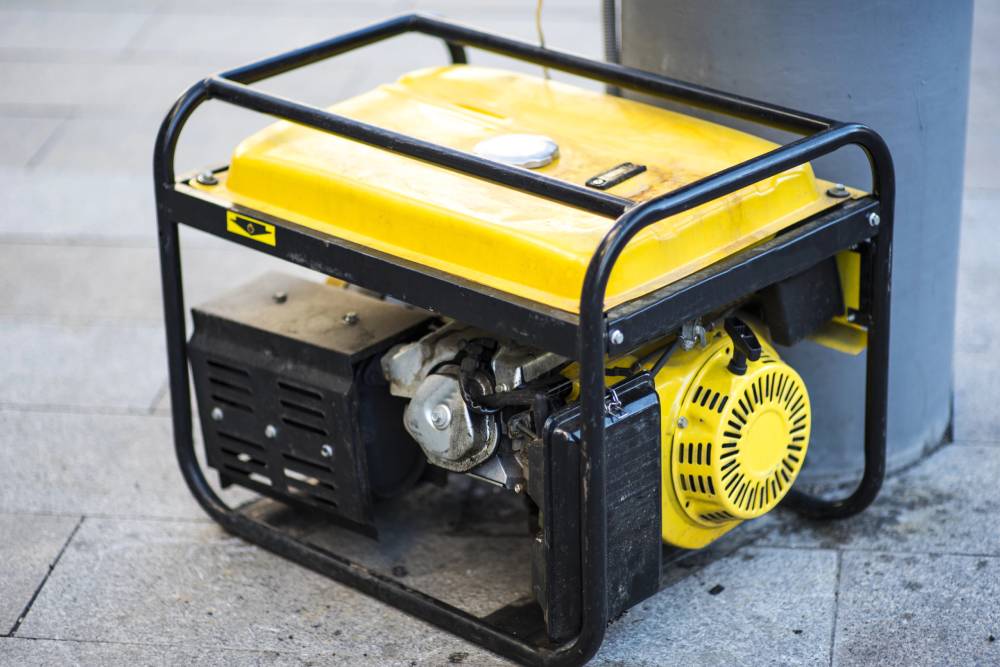
Generator size refers to how much electrical power a portable unit can supply at one time. Power output is measured in watts, and this number limits how many appliances can run together. A higher watt rating allows more devices to operate, yet bigger equipment does not always match a home’s actual needs. Homes draw power in uneven ways because motors, compressors, and heating components behave differently from lights or chargers. Understanding size starts with recognizing that generators support selected loads rather than every outlet in the house.
Many people think size is about comfort, yet it also affects safety and reliability. A generator that is too small can shut down when demand spikes, while an oversized unit wastes fuel and creates handling issues. Portable generators are designed for temporary backup, which means careful planning matters more than raw power. Knowing what size portable generator do I need begins with realistic expectations about outages. Size should reflect how you live in your home because this perspective keeps decisions practical and reduces frustration during stressful power loss for households during extended outages.
Running Watts vs. Starting Watts: You Must Account For
Every appliance uses power in two different ways that affect generator sizing. Running watts describe the steady electricity needed to keep a device operating after it starts. Starting watts refer to the brief surge required when motors or compressors turn on. Items like refrigerators, sump pumps, and furnaces can demand much higher power for a few seconds. Ignoring this surge often leads to tripped breakers or sudden generator shutdowns.
Sizing a portable generator means adding running watts together and then accounting for the largest surge your home equipment creates during startup cycles. Only the highest starting demand is added because surges do not happen at the same moment during common power outage events. This approach helps match the generator to real household behavior during outages rather than marketing claims or rough estimates. Misjudging surge needs can leave you unable to start appliances even when the total wattage looks acceptable at critical moments. Clear awareness of these two numbers gives you more control and fewer surprises when the power drops inside your home.
List What You Want to Power During an Outage
Outages quickly show which parts of a house matter most in daily routines. Start by thinking about what you truly need rather than everything that normally runs. Lighting in main rooms, refrigeration, heating equipment, and communication devices usually come first. Medical equipment or sump pumps may also belong on this list, depending on your situation. Entertainment items and secondary appliances often wait until power returns. This step helps you see the difference between comfort items and power needs that support safety, health, and basic household functions during extended outage events.
After identifying priorities, consider how these items operate together during an outage. Some appliances cycle on and off, while others may start at the same time. A refrigerator and furnace motor starting together can change power demand quickly. Think about timing, not just quantity, when planning your list. Writing these items down makes the process clearer and reduces guesswork later. This exercise prepares you for matching generator output to real use instead of relying on rough assumptions or online charts alone during emergencies common in severe weather events locally experienced.
Matching Generator Size to Common Home Scenarios
Homes vary widely in how they use electricity, which is why generator sizing works best when tied to everyday living patterns. Smaller homes or apartments often focus on powering lights, refrigeration, internet equipment, and a few outlets for charging devices. Mid-sized homes usually add heating systems, sump pumps, or well pumps into the mix during outages. Larger homes may want to support multiple mmotor-drivenappliances, which raises total demand quickly. Thinking in terms of lifestyle and layout gives clearer direction than square footage alone.
Usage habits matter just as much as home size when selecting a generator. A household that limits power use to a few key rooms will need less capacity than one that expects broader coverage. Seasonal factors also play a role because heating equipment, fans, or cooling units change demand throughout the year. Running everything at once often sounds appealing, yet it creates unnecessary strain on portable equipment. Matching size to realistic scenarios keeps fuel use manageable and helps equipment operate within safe limits. This approach supports steady performance during outages without adding complexity or overspending on capacity that rarely gets used.
Safety, Electrical Capacity, and Why Installation Matters
Portable generators create power outside the normal electrical flow of a house, which makes a safe connection a serious concern. Plugging devices directly into extension cords may work for small loads, yet it limits control and increases clutter. Backfeeding power through outlets creates real danger for the home and utility workers. Electrical capacity inside the panel also affects what can be supported without stressing circuits. Understanding how power enters and moves through your home helps prevent damage and unsafe conditions.
Proper connection methods allow power to flow where it is intended and nowhere else. Transfer equipment helps separate generator power from utility lines during outages. Load management becomes easier when circuits are clearly defined and protected. Wiring condition also matters because older systems may struggle with added demand. Thoughtful installation supports consistent performance and reduces the chance of overloads or equipment failure when outages last longer than expected.
Fuel Type, Runtime, Noise, and Practical Ownership Factors
Generator size connects closely with how a unit behaves during actual use at home. Fuel type affects how long the generator can run and how often refueling becomes necessary during outages. Gasoline is common, yet storage limits and availability can affect planning. Runtime depends on load because higher demand increases fuel consumption and shortens operating time. Noise also becomes part of daily life during outages, especially in residential neighborhoods. Larger units often produce more sound, which may affect comfort for you and nearby homes. Portability matters as well because heavier generators can be harder to move, store, or set up safely. Thinking about these factors together helps align generator size with real ownership expectations rather than just wattage numbers alone.
Making the Right Portable Generator Choice for Your Home
Choosing the right portable generator comes down to understanding how your home actually uses power. Wattage, startup demand, safety considerations, and daily habits all shape what works best during an outage. Thinking through what you want to run, how long outages may last, and how equipment behaves under load helps avoid frustration later. Generator size becomes clearer when it is matched to real life rather than guesses. This approach supports steady power, safer operation, and fewer surprises when electricity goes out.
At B-TEC Electric Company, LLC, we help homeowners translate these ideas into practical setups. Our residential services include portable generator wiring, outlet solutions, panel upgrades, and circuit support designed for safe generator use. We also assist with EV charging station installation and other electrical upgrades that prepare homes for modern power demands. Every recommendation is based on how your house is wired and how you plan to use power during outages.
If you want help turning planning into a working solution, reach out to us for guidance and residential electrical support.